
The Hobart-Era KitchenAid K5-A: The Tank-Like Mixer That Never Quits ($250–$450)
If you’ve ever noticed a modern stand mixer "walking" across your counter during a heavy bread knead, you’ll understand why the Hobart-made models are legendary. Produced before the brand was sold in the 1980s, these mixers feature all-metal internal gears that allegedly never strip, unlike the plastic sacrificial gears found in many contemporary versions. These machines are reportedly heavy enough to stay put during the toughest tasks.
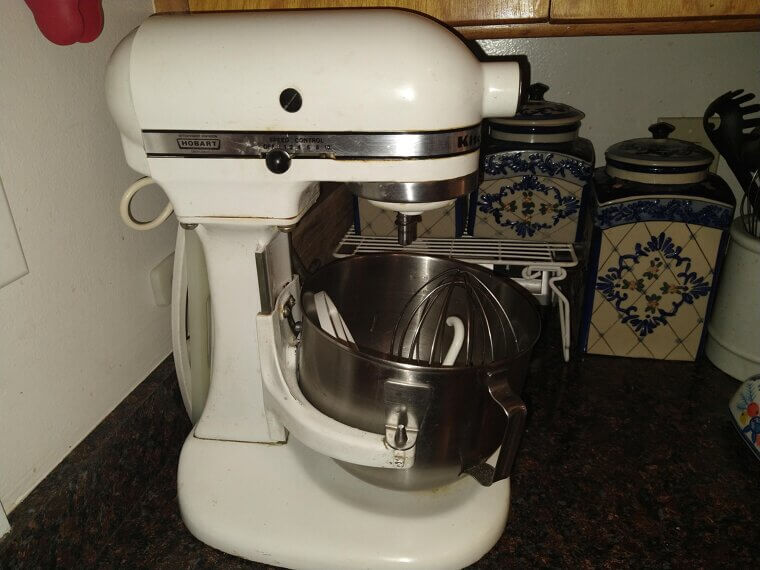
Owners often claim they have inherited these from grandmothers, and with a simple re-greasing every decade, they continue to purr. They are a staple of the retro-utilitarian movement for their sheer, unyielding durability.
Vintage Pyrex Borosilicate Bakeware: The Glass That Won't Shatter ($40–$150)
Modern Pyrex is typically made of tempered soda-lime glass, which is impact-resistant but sensitive to "thermal shock." Older Pyrex, specifically pieces made before 1998, was crafted from borosilicate glass. This material reportedly handles extreme temperature swings—like going from the fridge to a hot oven—without the risk of exploding. You can spot these gems by the all-caps "PYREX" logo. Collectors hunt for the vibrant "Gooseberry" or "Butterprint" patterns, but even the clear pieces are prized.
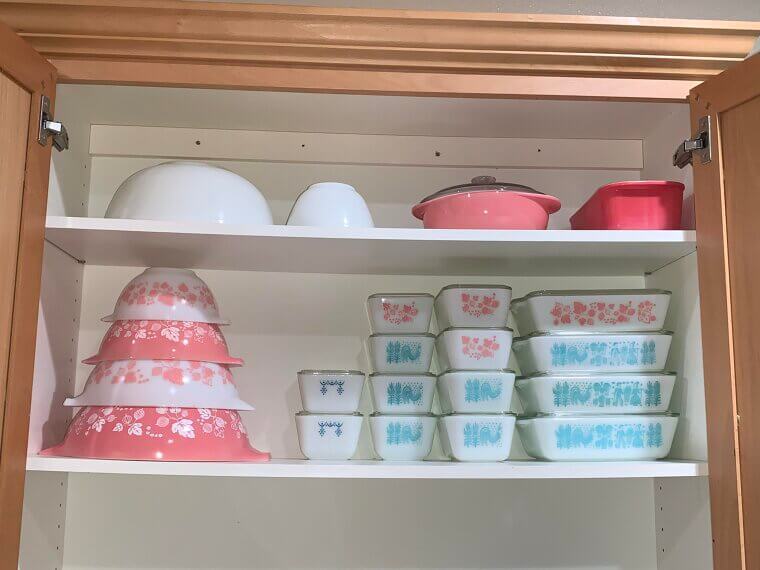
They offer a peace of mind that modern glass simply cannot match, making them highly sought-after secondary market essentials.
Griswold Cast Iron Skillets: The Silky Smooth Surface Modern Pans Lack ($80–$250)
Pick up a modern cast iron pan and you’ll notice a pebbly, sandpaper-like texture. Vintage Griswold pans, however, underwent a "polish-grinding" process that left them as smooth as glass. This reportedly makes them significantly easier to season and naturally non-stick compared to today’s rougher castings. They are also notably lighter, making them easier on the wrists for daily cooking. Many chefs allegedly prefer these century-old pans because they sear more evenly and release delicate eggs without a struggle.
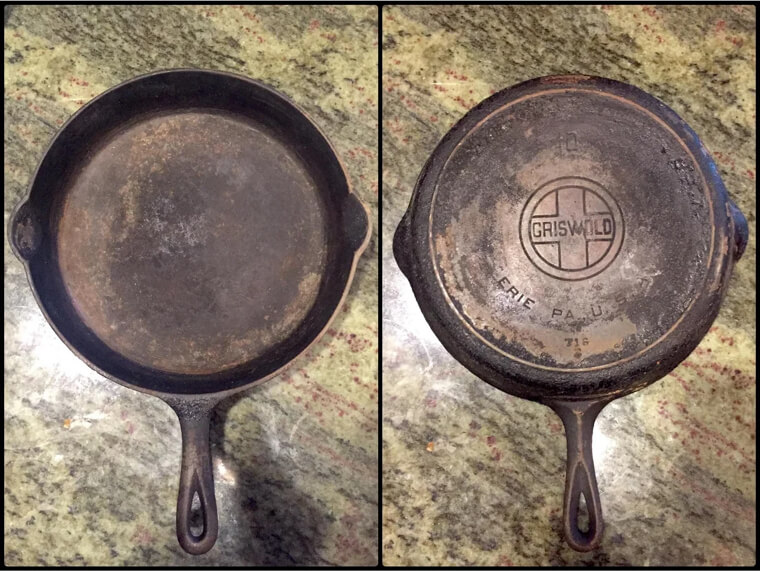
Finding a "large block logo" Griswold is like finding the holy grail of durable, high-performance vintage cookware.
Sunbeam Radiant Control Toaster: The "Automatic" Genius With No Levers ($75–$150)
The Sunbeam Model T-20 and its successors are often called the greatest toasters ever made. Unlike modern toasters where you manually push a lever down, this vintage beauty uses a "radiant control" mechanism. When you drop the bread in, the weight triggers a mechanical expansion wire that lowers the bread and begins toasting. It reportedly senses the heat of the bread itself, meaning it adjusts perfectly for frozen slices or thin bread without you touching a dial.
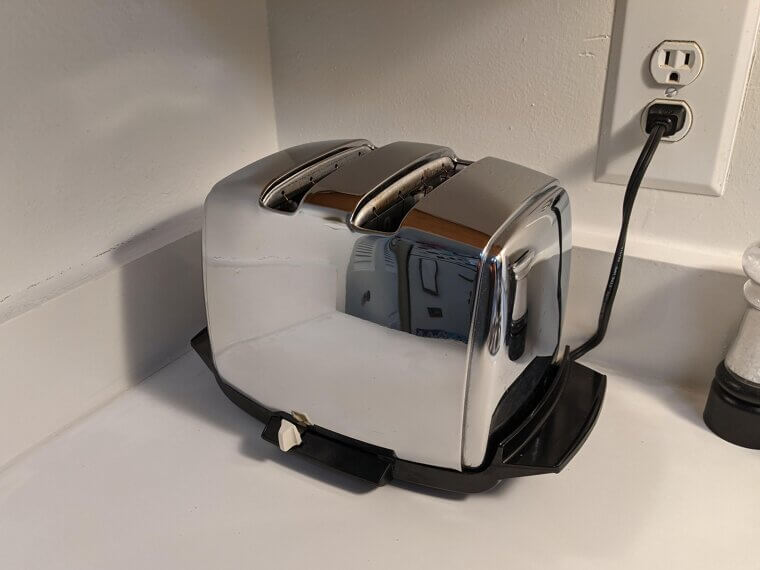
It’s a marvel of analog engineering that reportedly produces a more consistent golden brown than most digital toasters sold today.
West Bend Flavo-Matic Percolator: The Secret to Hotter, Bolder Coffee ($35–$65)
While drip machines are convenient, they often fail to reach the high temperatures required for a truly robust brew. The West Bend Flavo-Matic was a 1950s staple that reportedly keeps coffee at a piping hot temperature that modern plastic machines struggle to maintain. The "perking" action allows for a deeper extraction of oils and aromatics, resulting in a full-bodied cup that many enthusiasts claim is superior.

These aluminum or copper pots are built with incredibly simple electrical components, making them easy to maintain. In the world of 2026 kitchen trends, these are prized for their reliability.
General Electric Toast-R-Oven: The Original Countertop Workhorse ($60–$120)
Before every kitchen had an air fryer, the GE Toast-R-Oven was the king of the counter. These vintage units are reportedly much more efficient at "top-browning" and baking small portions than modern, flimsy toaster ovens. The older models featured thick glass and heavy-gauge heating elements that provided steady, even heat. Many users allegedly find that these vintage units don't "hot spot" as badly as modern versions, which often have thin walls that lose heat rapidly.
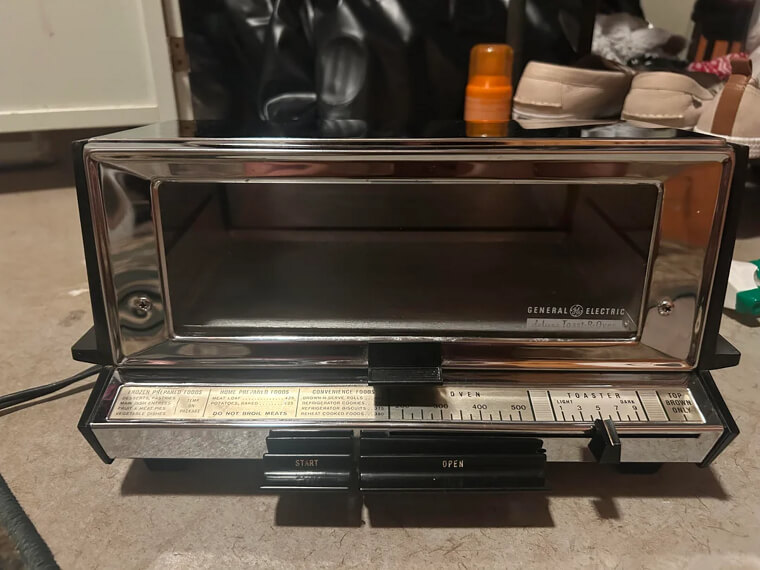
They were designed to be a "second oven," and their heavy-duty construction reflects a time when appliances were meant to be repaired, not replaced.
Rival Crock-Pot (1970s Models): The Consistent Low-And-Slow King ($30–$60)
Modern slow cookers are reportedly required by current safety standards to reach higher temperatures faster, which many cooks claim "boils" the food rather than simmering it. The original Rival Crock-Pots from the 1970s featured heating elements that wrapped all the way around the ceramic stoneware, rather than just sitting at the bottom. This allegedly creates a more uniform, gentle heat that prevents scorching and results in more tender pot roasts.
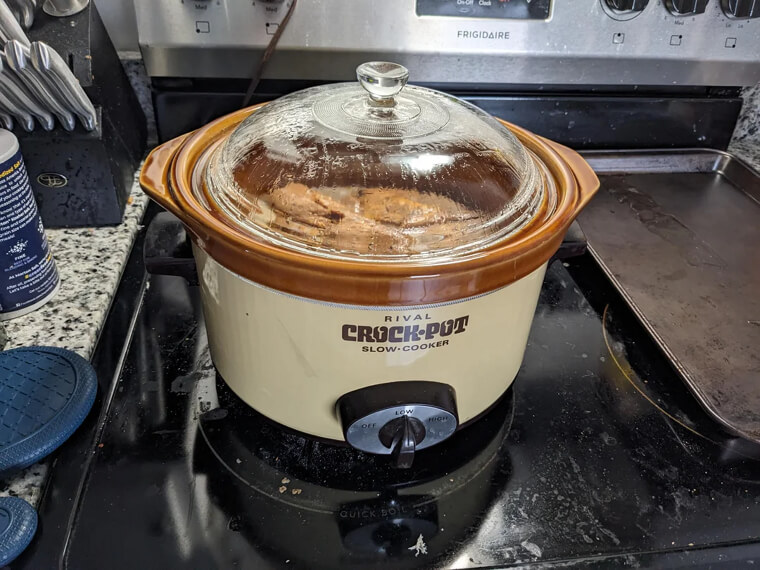
The simple "Low/High" knob is reportedly more reliable over forty years than modern digital touchpads, which are often the first component to fail in newer models.
The Waring Blendor (Chrome Series): The Motor That Can Handle Anything ($50–$100)
Vintage Waring blenders are the epitome of industrial design. With a heavy cloverleaf glass jar and a high-torque motor, these machines were reportedly built to crush ice and blend thick batters without smoking. Modern mid-range blenders often rely on plastic "drive mushrooms" that can melt or strip under pressure, but the vintage Waring uses a robust metal-to-metal coupling. Many enthusiasts allegedly prefer the simple two-speed toggle switch.
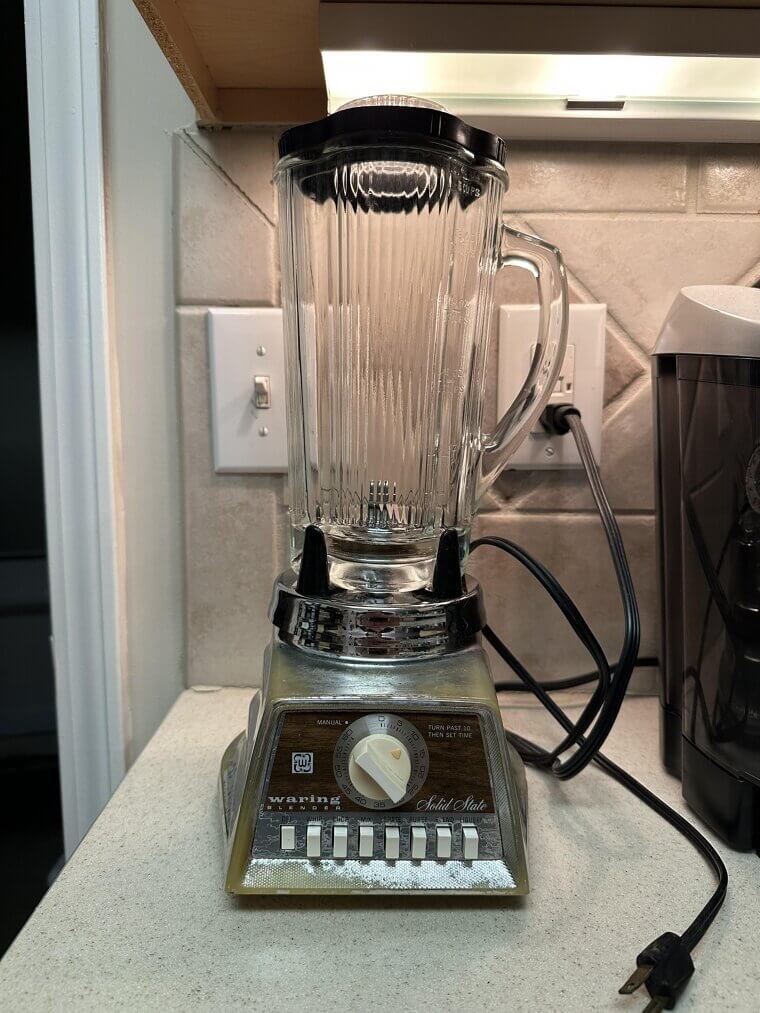
They claim it provides more direct control than a dozen confusing "smoothie" presets. Their heavy chrome bases make them a beautiful, functional centerpiece for any "retro-utilitarian" kitchen setup.
Farberware Superfast Electric Percolator: Speed Meets Durability ($40–$80)
The Farberware Superfast was aptly named; it reportedly brews coffee at a rate of one cup per minute. Made of high-quality stainless steel, these units avoid the "plastic taste" that some users report with modern automatic brewers. The internal components are remarkably simple, consisting of a heavy-duty heating element that reportedly lasts for decades. Unlike modern machines with complex circuit boards, these vintage percolators are often still functioning perfectly fifty years later.
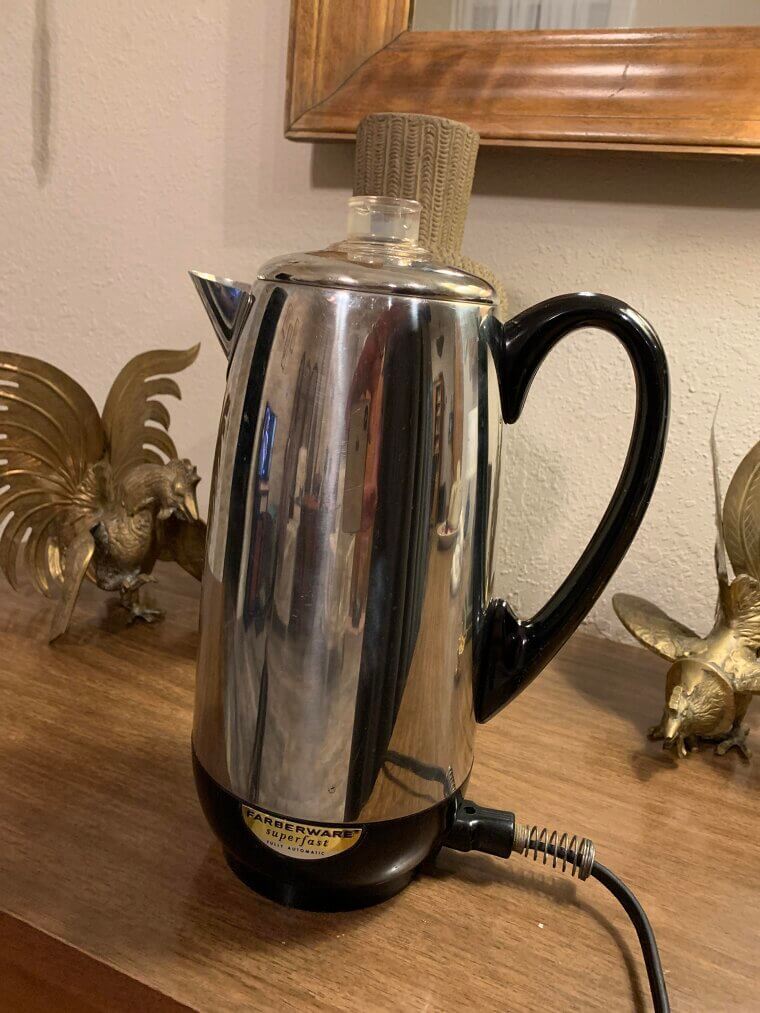
They represent a time when speed didn't mean sacrificing build quality, making them a favorite for those who value both efficiency and long-term kitchen reliability.
Revere Ware Copper-Clad Stainless Steel Pots: The Heat Distribution Queens ($20–$150 per Set)
While modern "tri-ply" cookware is popular, many home cooks still swear by vintage Revere Ware. These pots feature a thick copper coating on the bottom which reportedly provides exceptionally fast and even heat distribution. Newer versions of Revere Ware are reportedly thinner and lack the same copper density as the "pre-1968" pieces, which are identified by a specific double-ring logo. These vintage pots are lightweight yet incredibly sturdy.
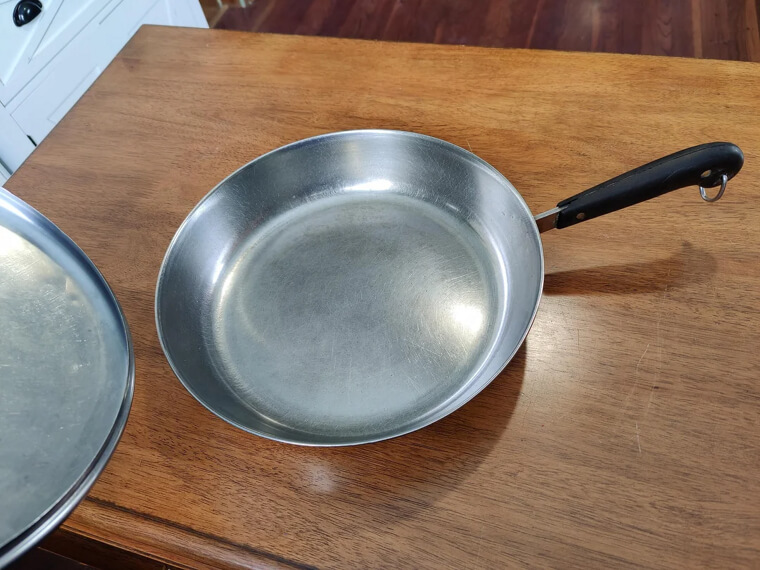
And their Bakelite handles are reportedly more ergonomic than many modern metal handles. They are frequently found at estate sales and remain a top choice for "retro-utilitarian" cooking.
Swing-A-Way Wall-Mounted Can Opener: The Ergonomic Lifesaver ($25–$50)
Modern electric can openers are often flimsy, and handheld versions can be tough on the joints. The vintage wall-mounted Swing-A-Way is reportedly a masterpiece of mechanical leverage. Because it is bolted to the wall or a cabinet, it provides a stable platform that reportedly glides through tin lids with almost zero effort. Users allegedly find that the gears on these older models stay sharp for decades, whereas modern plastic versions tend to slip or dull quickly.
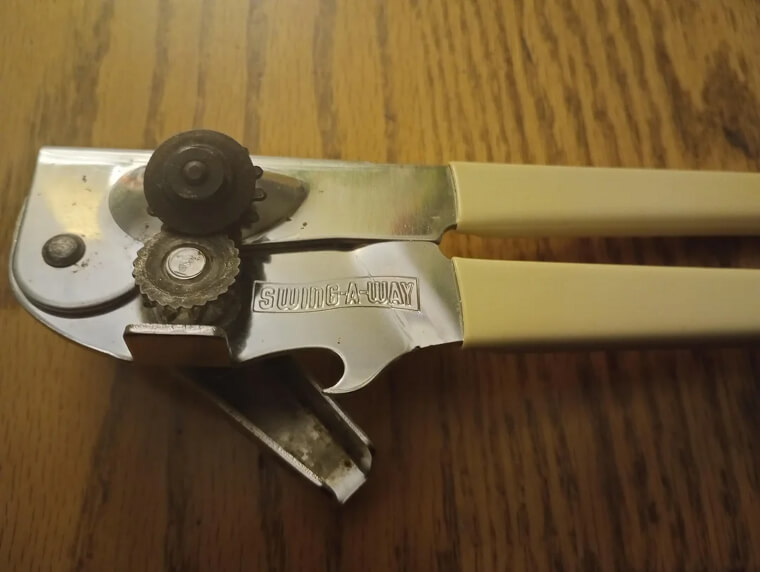
For those with arthritis or limited hand strength, this vintage tool is reportedly far superior to any "as seen on TV" gadget.
Vita-Mix 3600: The Stainless Steel Powerhouse ($150–$300)
Long before the sleek plastic Vitamix models of today, there was the 3600. It featured a 360-degree stainless steel container and a motor that reportedly could turn wood into sawdust (though we recommend sticking to soup!). This vintage unit has a "reverse" switch that reportedly helps with self-cleaning and dislodging thick mixtures—a feature not found on all modern versions. It is reportedly much louder than newer models, but its sheer mechanical strength is allegedly unmatched.
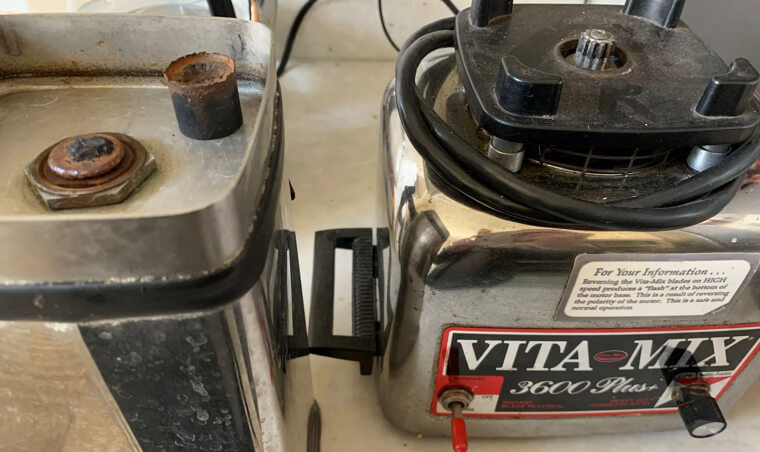
any health enthusiasts in 2026 are seeking these out because they are virtually indestructible and contain no plastic parts in the blending path.
Mirro-Matic Pressure Cooker: The Safe and Simple Steam King ($40–$70)
Before the electric "Instant Pot" era, the Mirro-Matic was the gold standard for speed cooking. These stovetop units are made of heavy-gauge aluminum and use a simple "jiggler" weight to regulate pressure. Unlike modern electric versions with sensitive sensors and electronics that can fail, the Mirro-Matic is reportedly a "forever" tool. As long as the rubber gasket is replaced every few years, it will reportedly function indefinitely.
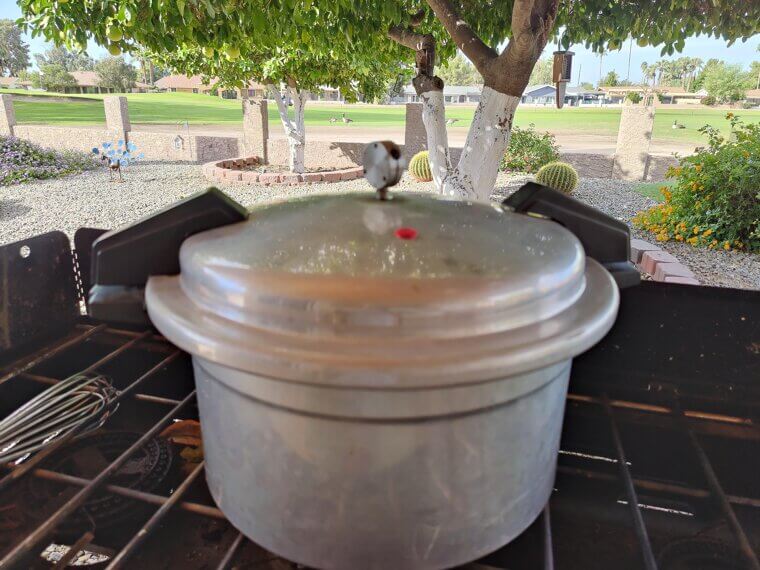
Many users allegedly find that stovetop pressure cookers reach higher pressures than electric ones, resulting in faster cooking times and better browning for meats and hearty stews.
KitchenAid K-45: The Original Classic Tilt-Head ($150–$250)
The K-45 is the younger sibling to the K5-A but shares the same legendary Hobart engineering. This model introduced the tilt-head design that is still popular today, but the vintage versions reportedly used much higher quality metal alloys for the gears. Modern tilt-head mixers sometimes suffer from "head bounce" when mixing thick doughs, but these older units are reportedly more rigid and stable. They are the definition of a "buy it once" appliance.
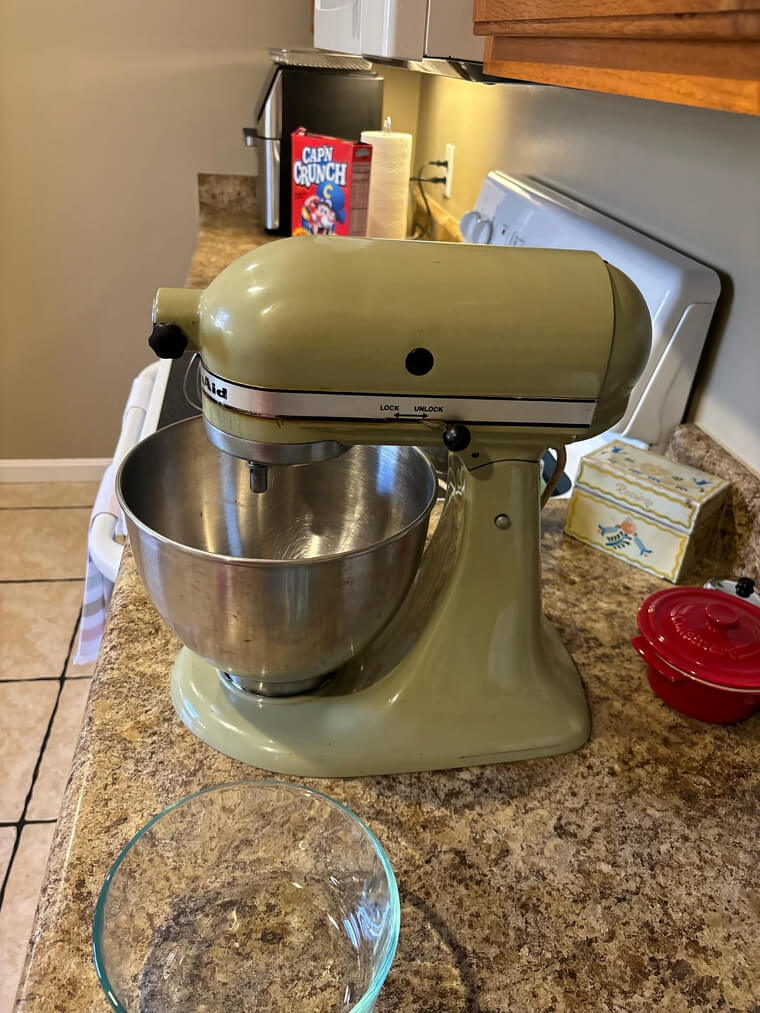
For the modern home baker, finding an original white or "avocado green" K-45 is a win for both style and heavy-duty performance.
Foley Food Mill: The Manual Purée Perfectionist ($20–$40)
Modern food processors often "over-process" food, turning it into a gluey texture by cutting through cell walls. The vintage Foley Food Mill reportedly uses a gentle pressing motion that preserves the texture of mashed potatoes or applesauce. It is a simple, hand-cranked device made of galvanized or stainless steel that reportedly never breaks. Many home canners allegedly prefer this over modern electric juicers because it effectively removes seeds and skins while leaving the fiber intact.
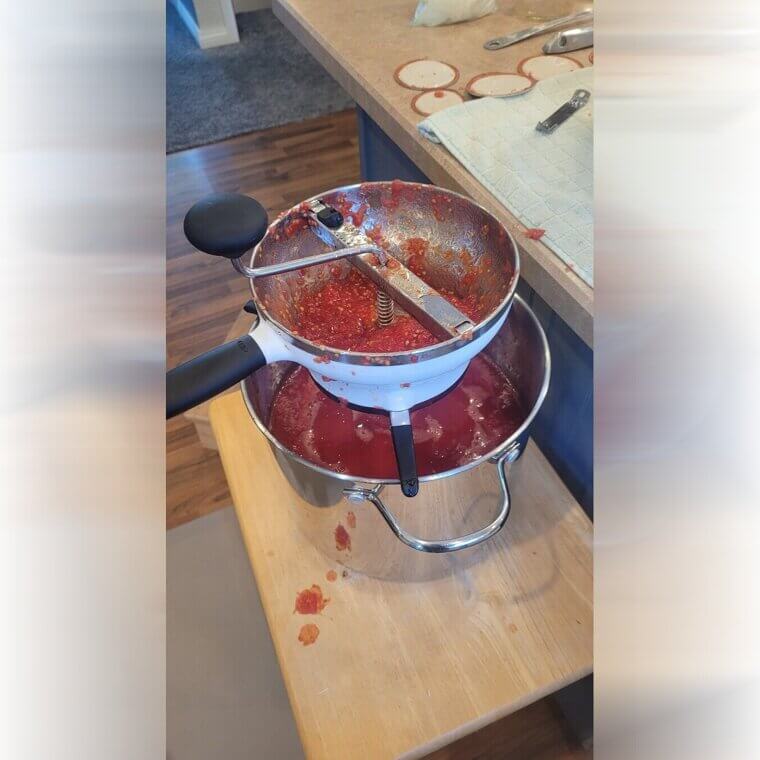
It is a quiet, reliable, and incredibly effective tool that has remained virtually unchanged because the original design was already perfect.
Hamilton Beach Scovill Milkshake Maker: Professional Power at Home ($60–$120)
If you want a milkshake that is actually thick, a standard blender often falls short. The vintage Hamilton Beach Scovill mixers were built for soda fountains and reportedly feature a motor meant for constant, heavy use. The spindle design aerates the milk and ice cream, creating a fluffy, thick consistency that modern "personal blenders" cannot replicate. These machines are reportedly made of heavy die-cast metal and stay perfectly still on the counter.
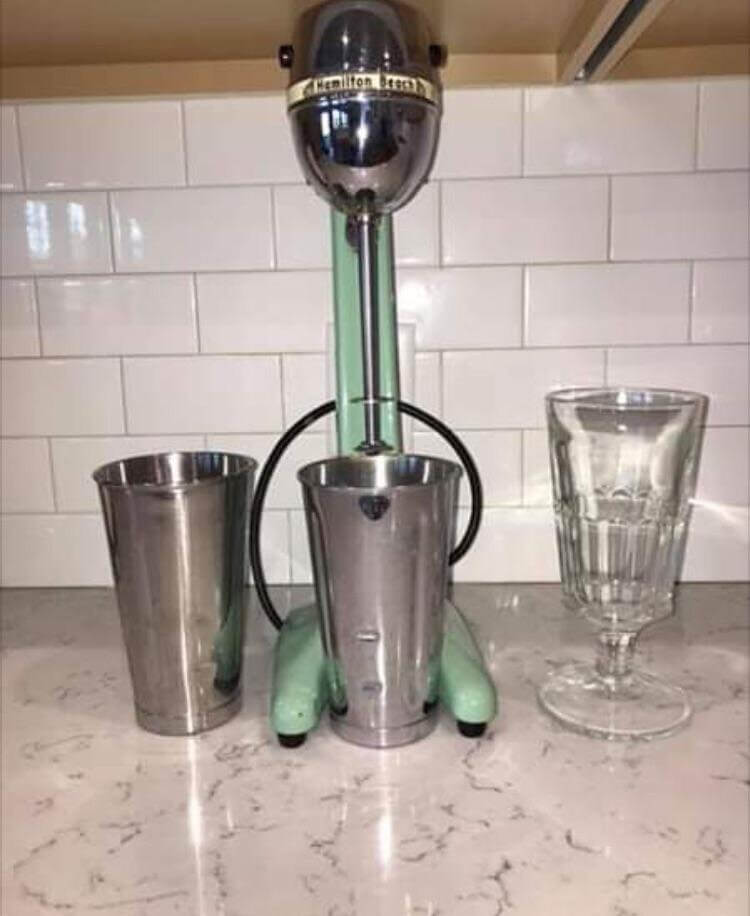
They are a favorite in the 2026 "retro-utilitarian" kitchen for anyone who takes their frozen treats seriously and wants professional-grade results.
General Electric "Monitor Top" Refrigerator: The 100-Year Fridge ($500–$2,000)
While not practical for every kitchen, the GE Monitor Top is the ultimate symbol of durability. Some of these units have reportedly been running continuously since the 1930s. Unlike modern refrigerators that have a lifespan of 7–10 years due to complex electronics and thin coolant lines, the Monitor Top uses a hermetically sealed sulfur dioxide system (which should be handled by professionals). They are reportedly incredibly quiet and built with thick insulation.
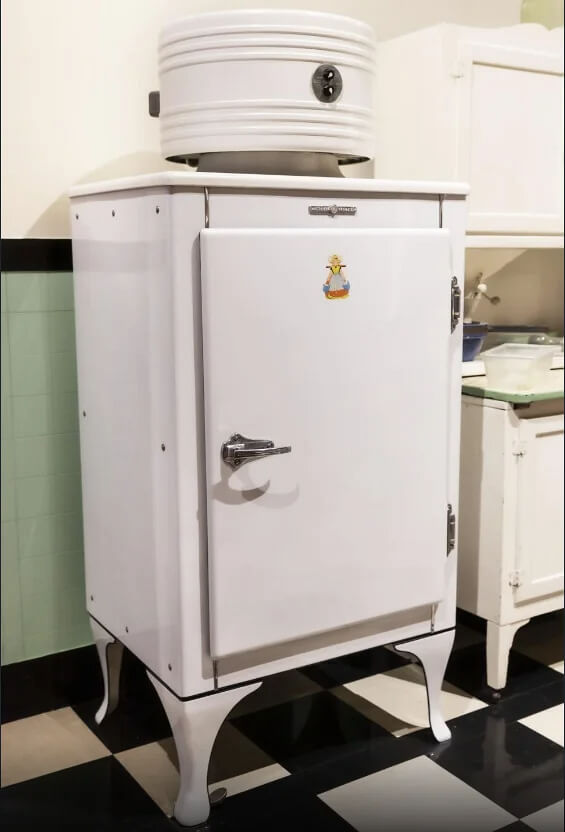
This insulation keeps food cold for ages even after power outages. For the extreme vintage enthusiast, these are the pinnacle of "built to last" engineering.
Salton Hotray: The Elegant Hostess Helper ($20–$50)
Modern warming trays are often made of thin plastic and heat unevenly. The vintage Salton Hotray features a beautiful radiant glass surface that reportedly maintains a perfect, steady temperature without "cooking" the food further. It was a staple of mid-century entertaining and is seeing a massive resurgence in 2026. The high-quality heating elements reportedly last for decades. Whether you are keeping a casserole warm for a potluck or just keeping the morning's pancakes hot, these will do the job.
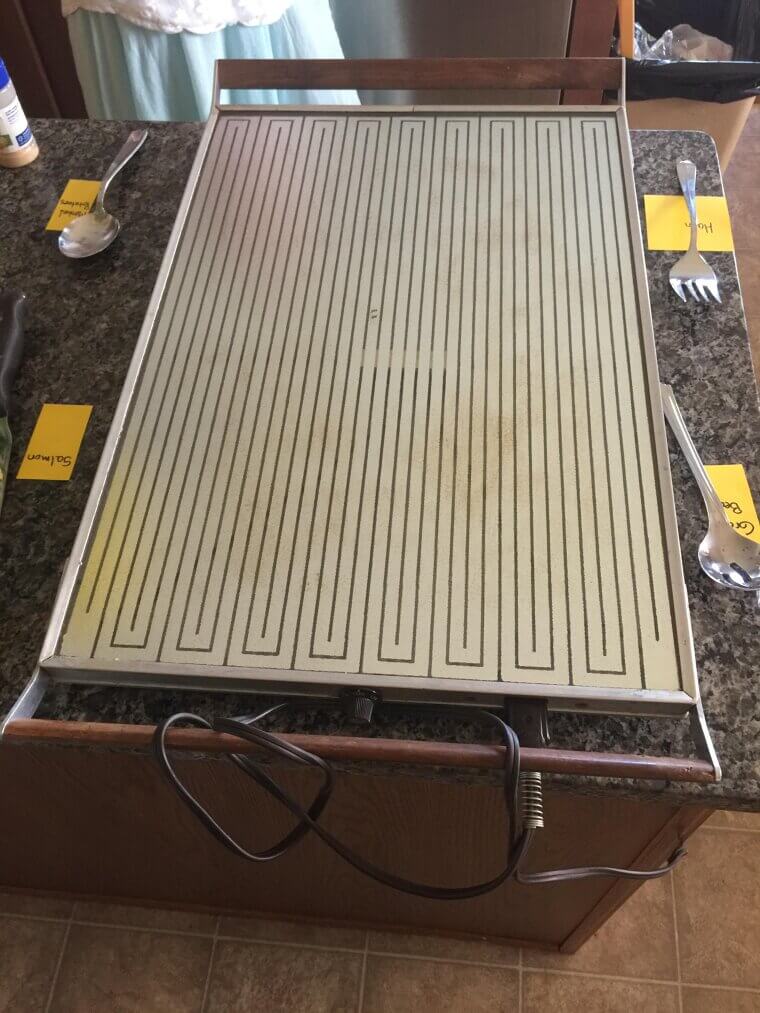
These trays are reportedly more reliable and much more stylish than the modern "buffet server" alternatives found in big-box stores.
Osterizer Galaxie Blender: The "Beehive" Beauty ($40–$90)
The Osterizer Galaxie series, often featuring the iconic "beehive" base, is famous for its "OS-cycle" motor. These blenders reportedly have a unique pulse feature that is purely mechanical and very robust. Unlike modern blenders that use "soft-touch" buttons that can wear out or trap dirt, the vintage Osterizer uses simple, sturdy toggles. The jars are heavy-duty glass and the blades are reportedly easy to sharpen or replace.
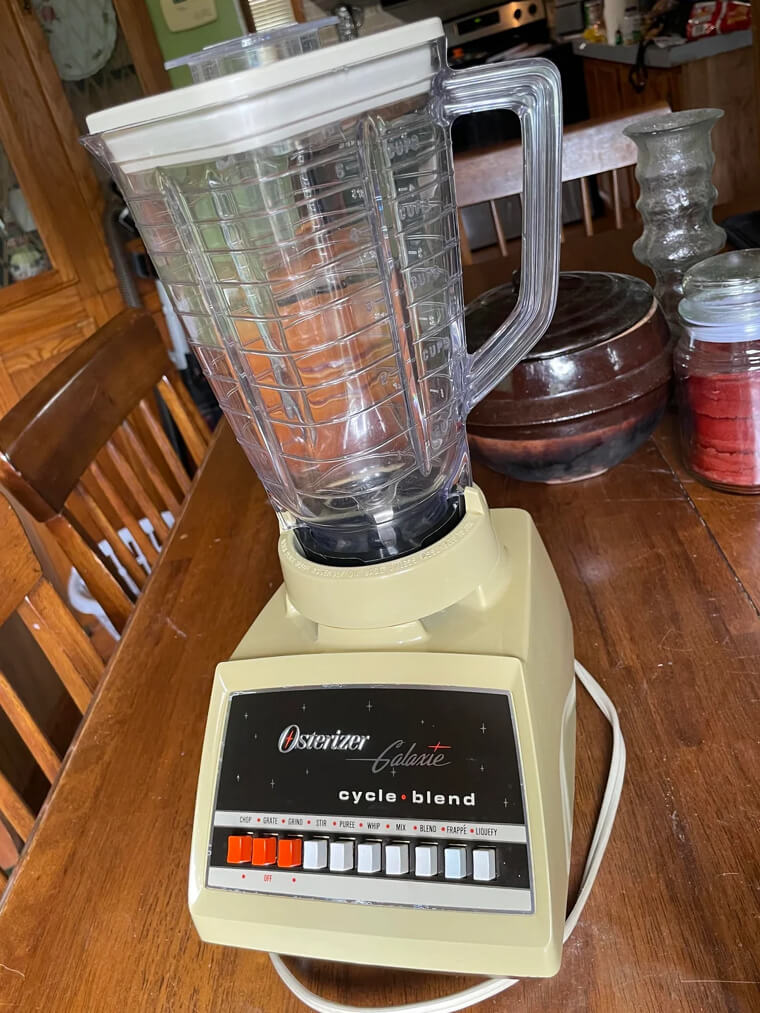
Many users allegedly prefer the vintage Osterizer because it is compatible with a wide range of vintage attachments, including food processors and even "ice crusher" heads that were built to last.
Sunbeam Mixmaster (Model 12): The Multi-Tasking Marvel ($50–$100)
Before the stand mixer market became dominated by one brand, the Sunbeam Mixmaster was in every home. The Model 12 is particularly prized for its "governor-controlled" motor, which reportedly maintains a constant speed regardless of how thick the batter is. It also features a unique "bowl-shift" lever that allows the beaters to reach the sides of the bowl perfectly. Many users allegedly find these beaters to be more efficient for egg whites than modern whisk attachments.
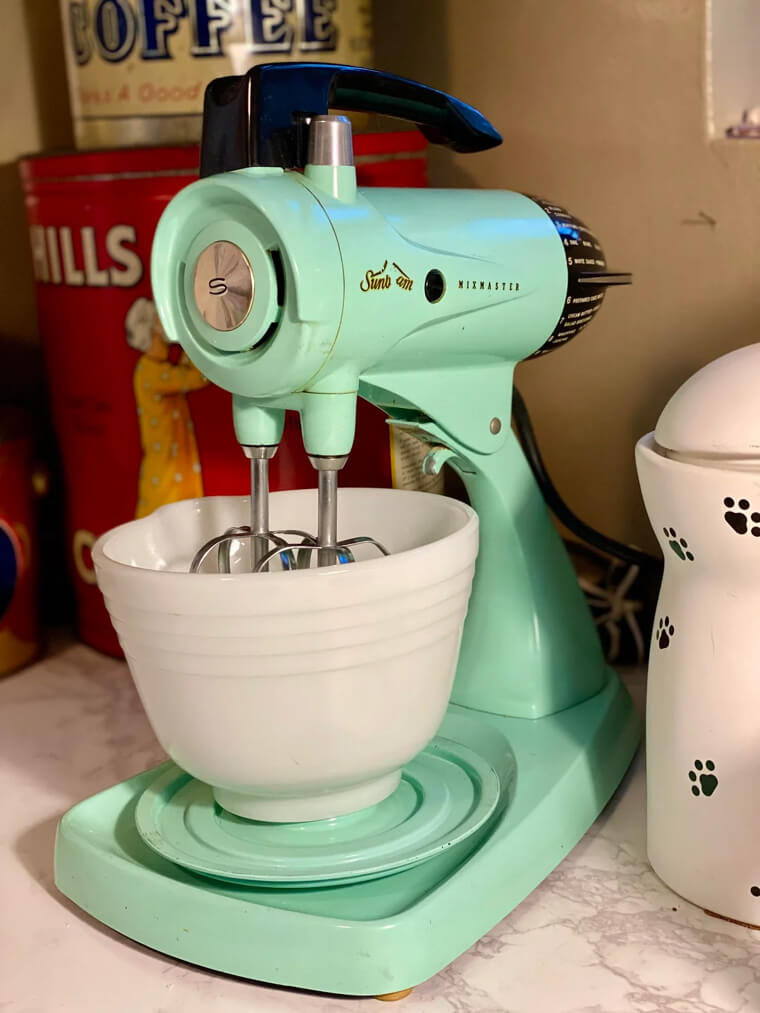
With its sleek Art Deco styling and durable metal body, it remains a highly functional piece of kitchen history.
CorningWare "Pyroceram" Casserole Dishes: The Space-Age Ceramic ($30–$100)
Original CorningWare was made of a material called Pyroceram, a glass-ceramic developed for missile nose cones. This material is reportedly so heat-resistant that you can take it from the freezer and put it directly onto a stovetop flame without it cracking. Modern CorningWare is often made of stoneware, which does not have this "thermal shock" resistance and is reportedly prone to breaking if handled the same way.
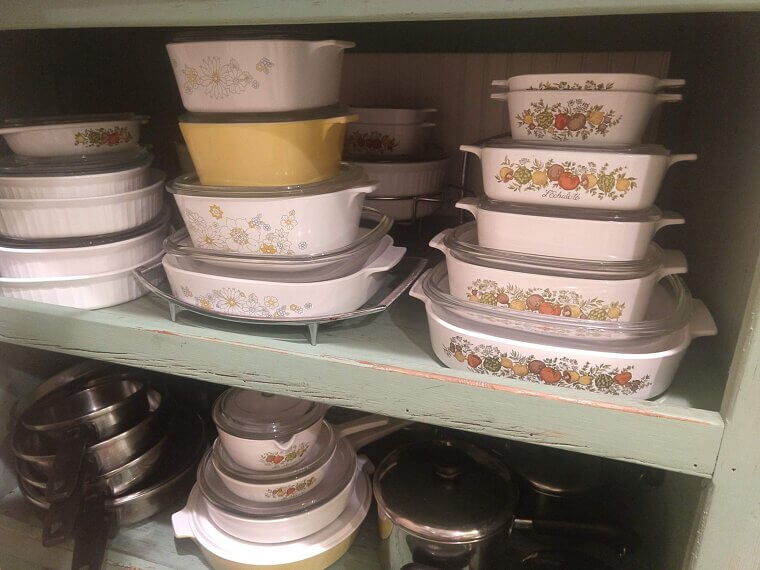
The classic "Cornflower Blue" pattern is the most famous, but any pre-1990s piece is a utilitarian gem. These dishes are reportedly the ultimate "one-pot" solution for the busy modern cook.
Presto Electric Fry Pan: The Skillet That Never Scratches ($35–$70)
Vintage Presto electric skillets were made before the era of "disposable" non-stick coatings. These heavy aluminum pans reportedly distribute heat so evenly that they can be used for everything from frying chicken to baking a cake. Many cooks allegedly prefer them over modern non-stick pans because you can use metal utensils without fear of ruining the surface. The temperature probes on these vintage units are reportedly very accurate.
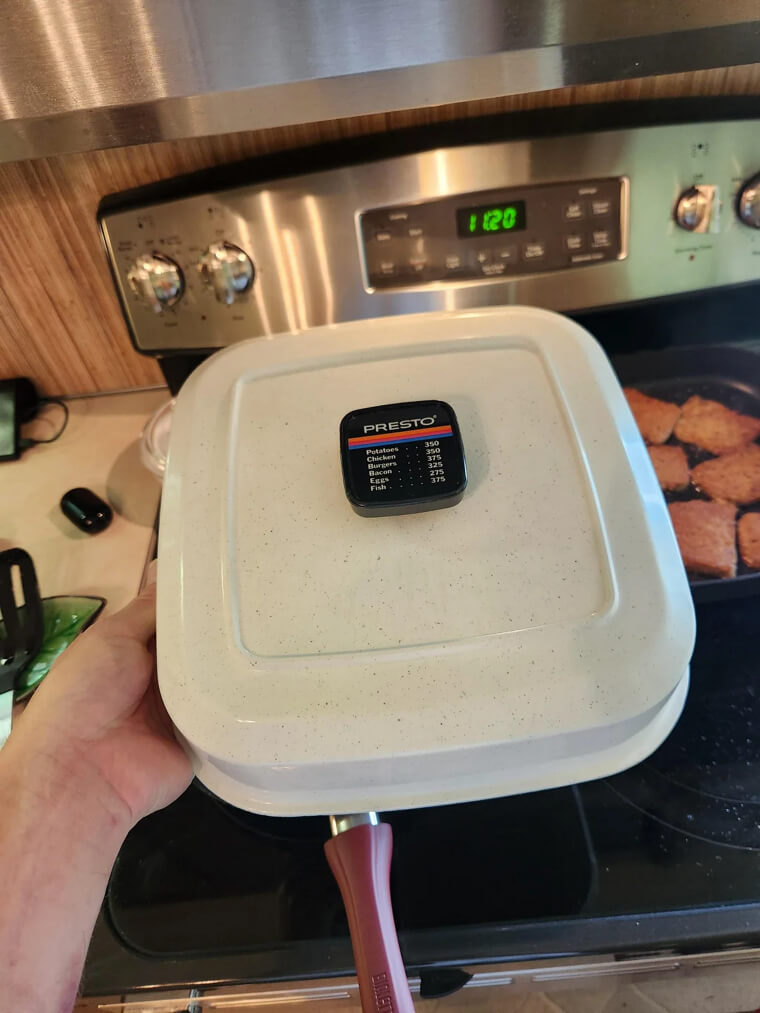
They can maintain a low simmer or a high sear with ease. They are a "retro-utilitarian" favorite because they are easy to clean and practically indestructible.
Rubbermaid "Harvest Gold" or "Avocado" Containers: The Un-Stainable Plastic ($15–$40)
It sounds strange to call plastic a "gem," but vintage 1970s Rubbermaid was reportedly made of a much thicker, more durable resin than today’s flimsy containers. These older sets reportedly don't warp in the dishwasher and are famously resistant to tomato sauce stains. Many users allegedly find that the "burp" seal on vintage lids is more airtight than modern snap-on versions. While we are more conscious of plastics today, these vintage pieces are reportedly free of many modern additives.
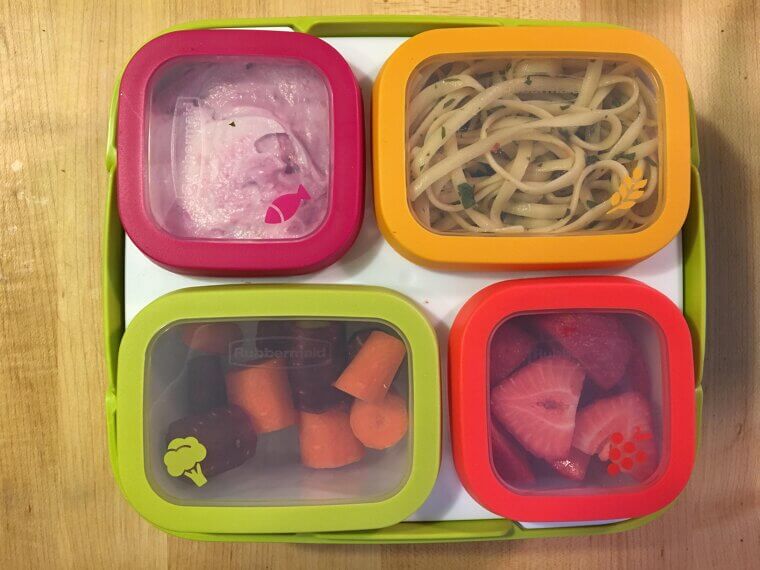
They might be made of plastic, but they have already proven they can last fifty years without cracking, making them a surprisingly eco-friendly choice.
Braun Citromatic Juicer: The Minimalist Masterpiece ($30–$60)
Designed by the legendary Dieter Rams, the vintage Braun Citromatic is a lesson in functional simplicity. It reportedly features a high-torque motor that doesn't stall when you press down hard—a common complaint with modern, cheap citrus juicers. The "press-start" mechanism is reportedly very durable, and the entire unit consists of only a few easy-to-wash parts. Many enthusiasts in 2026 allegedly prefer this vintage model.
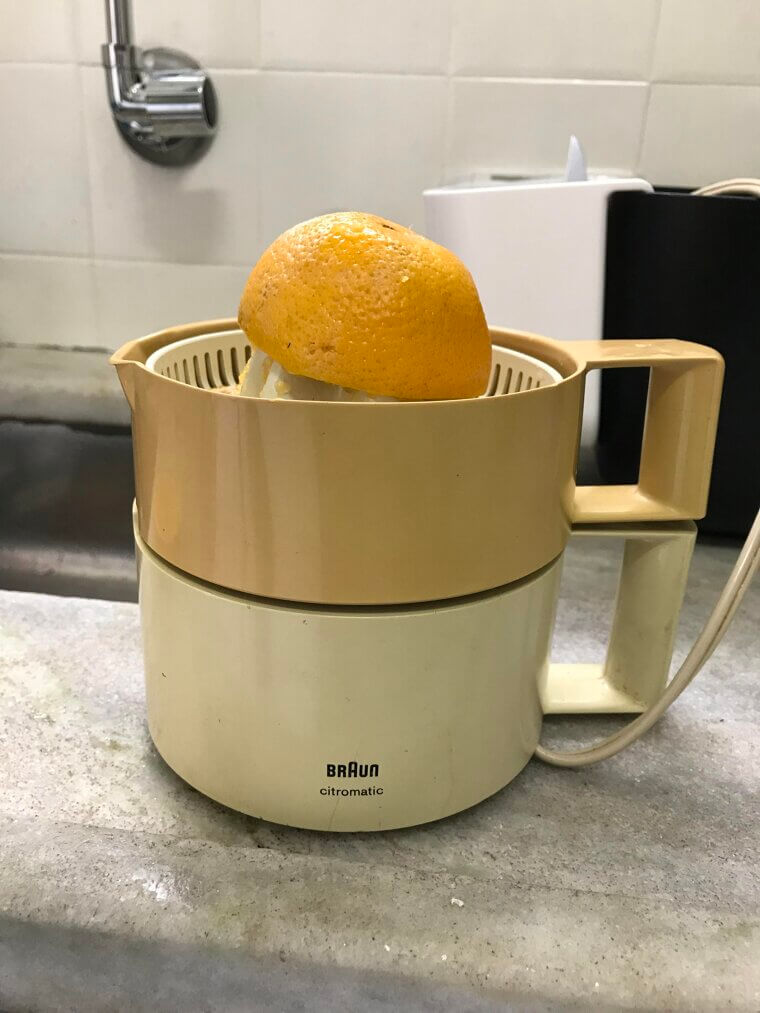
That's because its sleek, minimalist look fits perfectly in a modern kitchen while providing a level of performance that contemporary plastic juicers simply can't match.
Ekco "Flint" Kitchen Utensils: The Stainless Steel Standard ($10–$25 per Piece)
If you are tired of plastic spatulas melting or modern "stainless" spoons bending, hunt for Ekco Flint. These vintage utensils were made of "Vanadium" stainless steel and are reportedly much stiffer and more durable than modern alternatives. The handles are often made of "Pakkawood" or heavy-duty Bakelite that doesn't get hot to the touch. Many cooks allegedly find the "offset" spatulas from this line to be perfectly balanced for flipping delicate items.
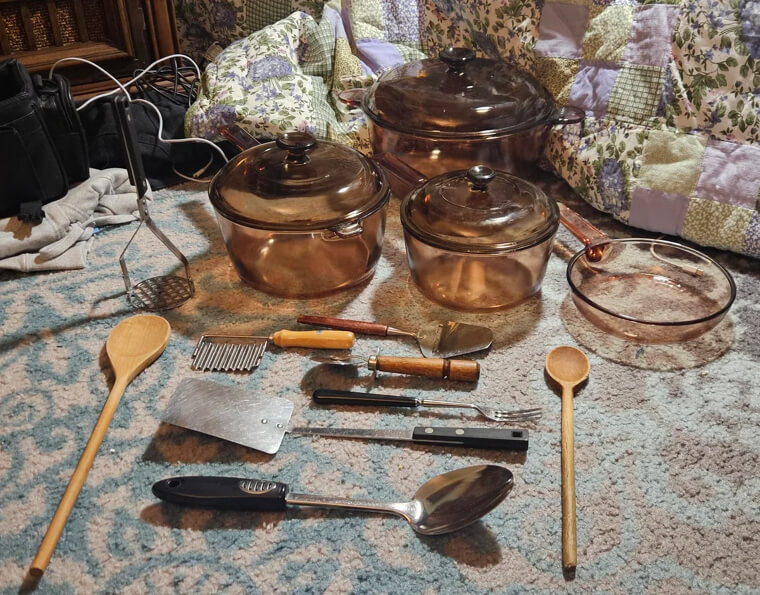
They represent a time when even the simplest spoon was engineered to be a "buy it once" item for the home.
Dormeyer "Silver Chef" Mixer: The Industrial Powerhouse ($100–$200)
Dormeyer mixers were the "heavy-duty" alternative to Sunbeam in the 1950s. The Silver Chef model is reportedly made entirely of die-cast aluminum and features a motor that was originally designed for power tools. It is reportedly much louder than a KitchenAid, but it allegedly never bogs down, even with the thickest cookie dough. Many collectors prize them for their "jet-age" styling and their sheer mechanical reliability.
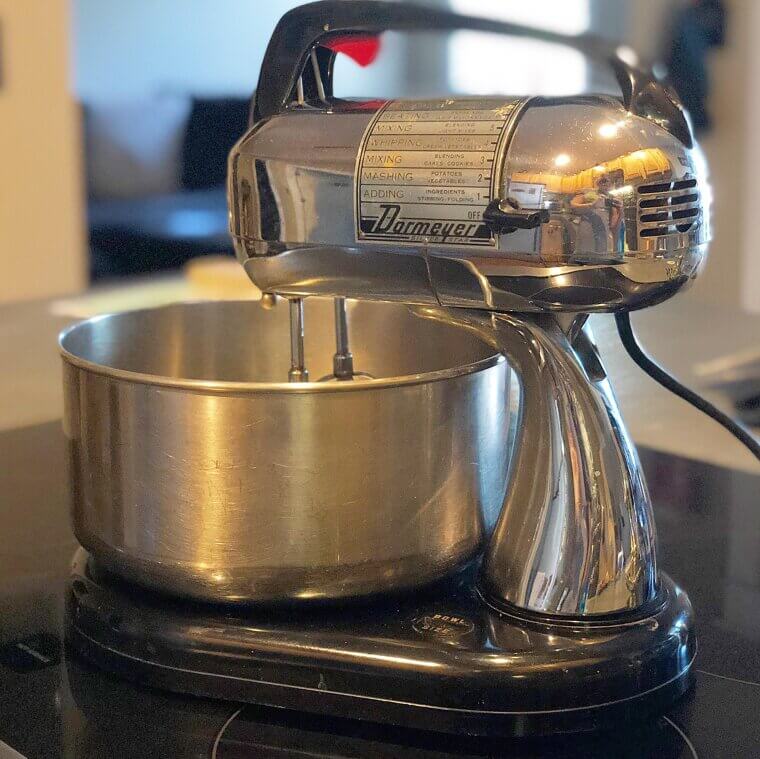
In the secondary market, these are becoming a top choice for those who want a stand mixer that feels like it belongs in a professional bakery rather than a hobbyist's kitchen.
Silex Vacuum Coffee Maker: The Scientific Way to Brew ($50–$120)
Before "pour-over" became a trend, there was the Silex vacuum brewer. It uses two glass chambers and vapor pressure to brew coffee that is reportedly the cleanest and most aromatic possible. Because the coffee never touches a paper filter or boiling water directly, it reportedly lacks the bitterness found in other methods. These vintage glass units are reportedly much thicker and more durable than modern "siphon" brewers sold in specialty shops.
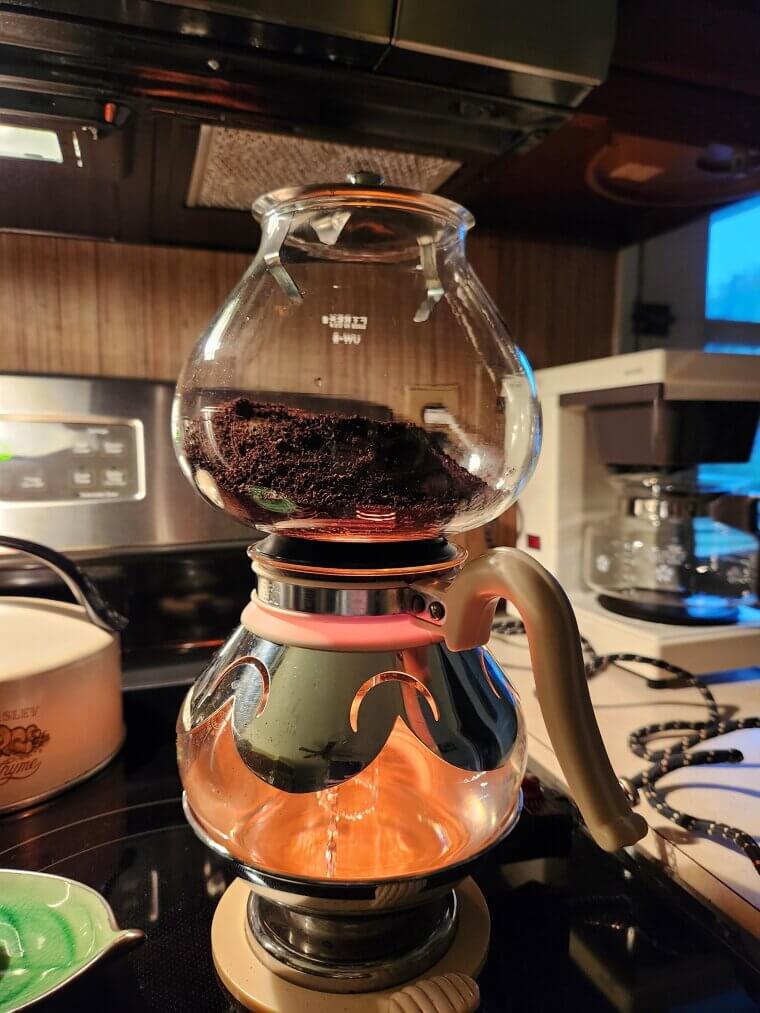
They are a favorite for the "retro-utilitarian" who views coffee making as a beautiful, precise ritual that shouldn't be rushed by a plastic machine.
Toastmaster "Hospitality" Toaster: The Art Deco Legend ($50–$100)
The 1B14 model is perhaps the most famous toaster in history. Made of thick, mirrored chrome with intricate Art Deco detailing, it reportedly features heating elements that are much thicker than those in modern toasters. This reportedly results in toast that is "crunchy on the outside, soft on the inside"—the holy grail of breakfast. These toasters are reportedly very easy to repair, as they use simple mechanical timers rather than computer chips.
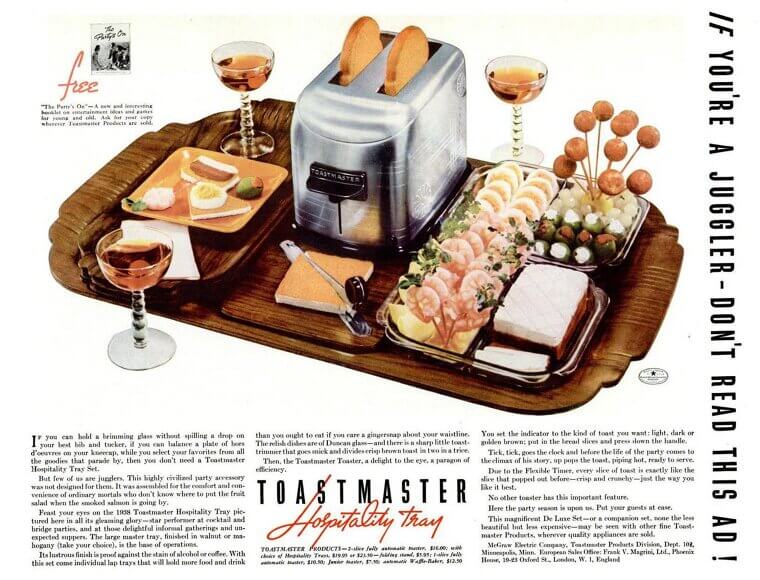
Many users allegedly prefer the "clunk" of the heavy lever, which signals a level of build quality that modern appliances simply cannot replicate.
Nesco Roaster Oven: The Thanksgiving Life-Saver ($60–$150)
The vintage Nesco roaster is a massive, porcelain-enameled steel tub that can roast a whole turkey. Unlike modern electric roasters that often have thin, "tinny" walls, the vintage Nesco is reportedly heavily insulated and maintains an incredibly steady temperature. This reportedly leads to juicier meats because the heat is more radiant and less "harsh" than a standard oven. Many families allegedly use these for decades, passing them down as the "official Thanksgiving pot."
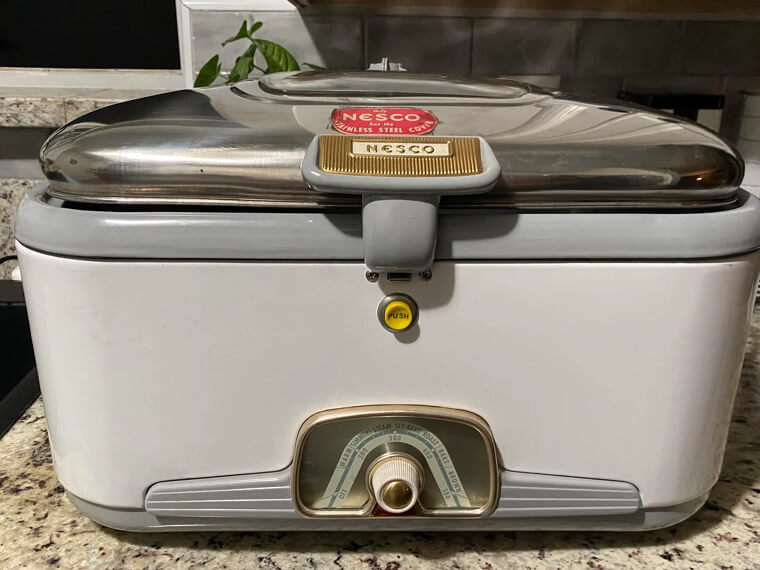
They are a testament to a time when large-scale entertaining was supported by tools that were built to be heirloom quality.
O'Keefe & Merritt Stove: The Cadillac of Kitchens ($1,000–$5,000)
While a major investment, a restored O'Keefe & Merritt gas stove is reportedly superior to almost any modern range. These stoves feature "Grillevator" broilers and "Vanishing Shelves" that are marvels of mid-century engineering. The heavy cast iron burners reportedly provide a more stable flame than modern high-output burners that can be finicky. Most importantly, these stoves have zero computer boards. They are purely mechanical and reportedly can be kept running for another hundred years with basic maintenance.
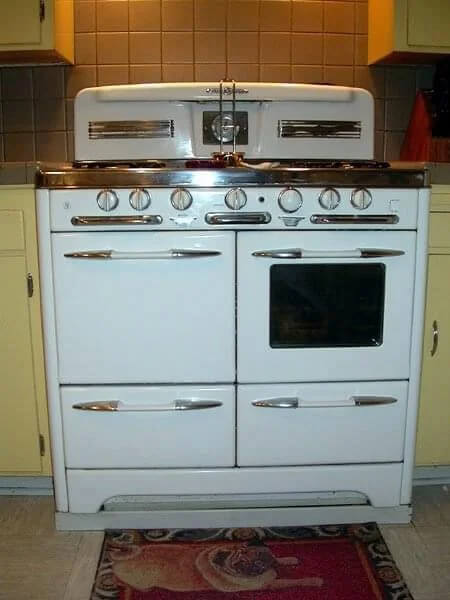
They are the centerpiece of the 2026 "retro-utilitarian" dream kitchen, combining unmatched style with professional-grade cooking power.
Dazey "Rocket" Ice Crusher: The Bartender's Best Friend ($30–$60)
If you enjoy "pebble ice" or crushed ice for cocktails, modern refrigerator dispensers often fail or clog. The vintage Dazey Rocket is a wall-mounted, hand-cranked device that reportedly turns ice cubes into perfect uniform shards in seconds. It is made of heavy cast metal and features stainless steel blades that reportedly never dull. Many users allegedly find the manual cranking to be satisfying and much faster than waiting for an electric machine.
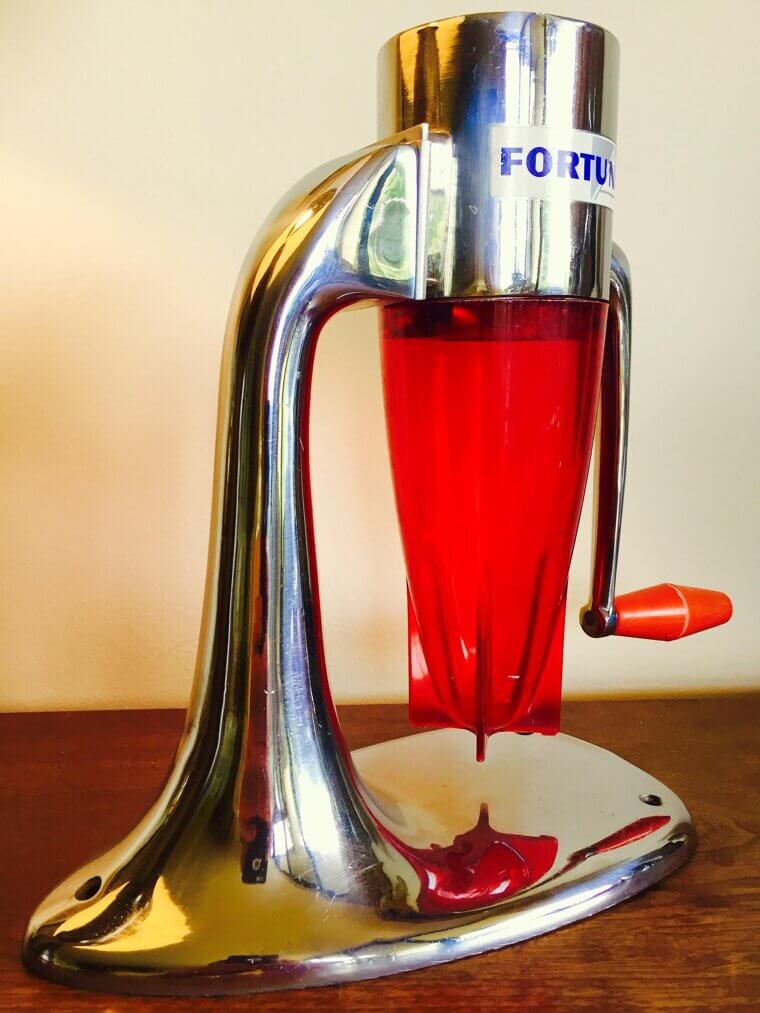
Its "space-age" design makes it a great conversation piece, but its performance is what keeps it on the "must-have" list for vintage enthusiasts.
NuTone Food Center: The "All-In-One" Built-In ($100–$300)
The NuTone Food Center was a 1960s luxury that featured a powerful motor mounted directly into the countertop. You could then plug in various attachments: a blender, a mixer, a meat grinder, or even a knife sharpener. These motors are reportedly incredibly powerful and, because they are built into the home’s cabinetry, they are much more stable than portable appliances. Many 2026 homeowners are actually restoring these units during renovations.
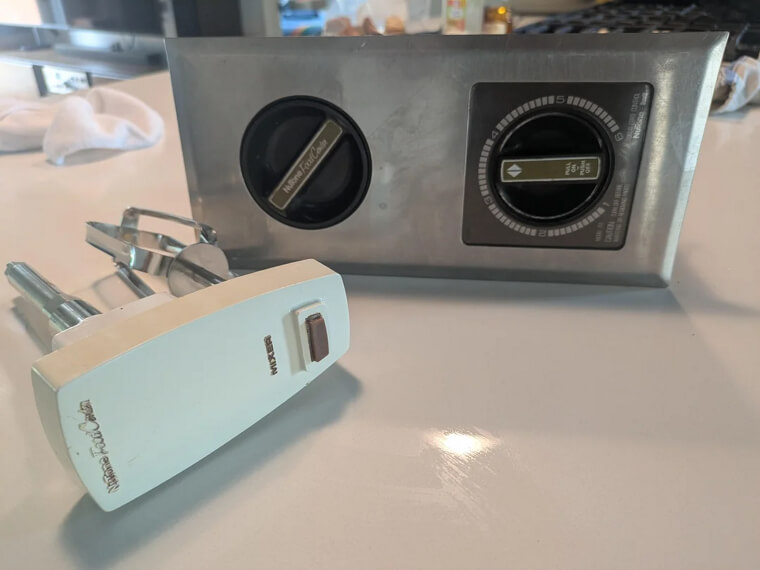
They represent the ultimate in space-saving utility, providing a high-performance solution for multiple kitchen tasks with a single, high-quality, "hidden" motor.
Chantal Enamel-On-Steel Kettles: The Whistle You Can Hear Anywhere ($40–$80)
Vintage Chantal kettles are famous for their "harmonica" whistle, which is reportedly much louder and more pleasant than modern "shriekers." Made of heavy-gauge steel with a high-quality enamel coating, these kettles reportedly boil water faster and retain heat longer than the thin stainless steel versions sold today. The handles are often ergonomically designed to stay cool, and the heavy lids provide a tight seal. Many users allegedly prefer these because they don't develop the "mineral scale" buildup.

At least not as quickly as electric kettles, and they are beautiful enough to live permanently on the stovetop.
Hoover "Constellation" Vacuum: The Floating Kitchen Helper ($100–$250)
While primarily a floor cleaner, the "Constellation" was famous in kitchens for its ability to "float" on its own exhaust air, making it incredibly easy to maneuver around tight islands and cabinets. These vintage vacuums reportedly have much higher suction power than many modern "cordless" sticks because they aren't limited by battery life. The long, flexible hoses and heavy-duty metal wands are reportedly much more durable than today’s plastic attachments.
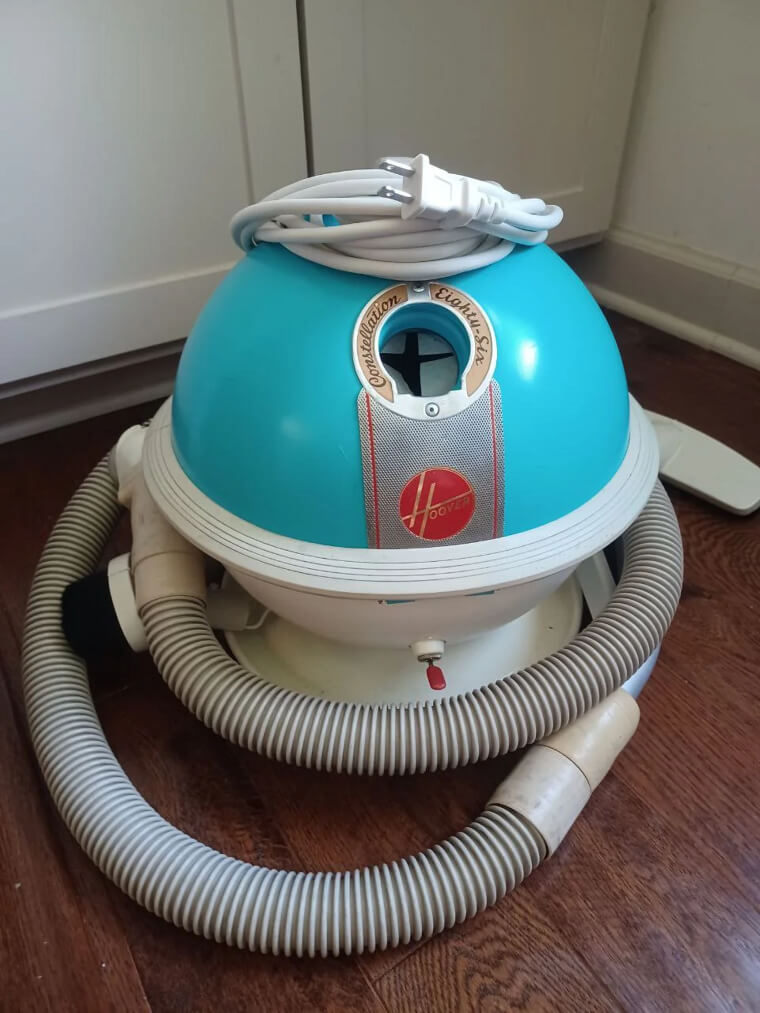
For a deep-clean of those kitchen corners and baseboards, many "retro-utilitarian" fans allegedly prefer the power and quirkiness of this 1950s hovering wonder.
Chambers Model C Gas Range: The Oven That "Cooks With the Gas Off" ($1,500–$4,000)
The Chambers range is legendary for its massive amount of rock wool insulation. This reportedly allows you to bring the oven to temperature, put in your roast, and then turn the gas completely off. The retained heat reportedly finishes the cooking perfectly, saving energy and preventing the meat from drying out. This "thermo-well" cooking is a feature that reportedly no modern oven can match. These ranges are reportedly built like safes.
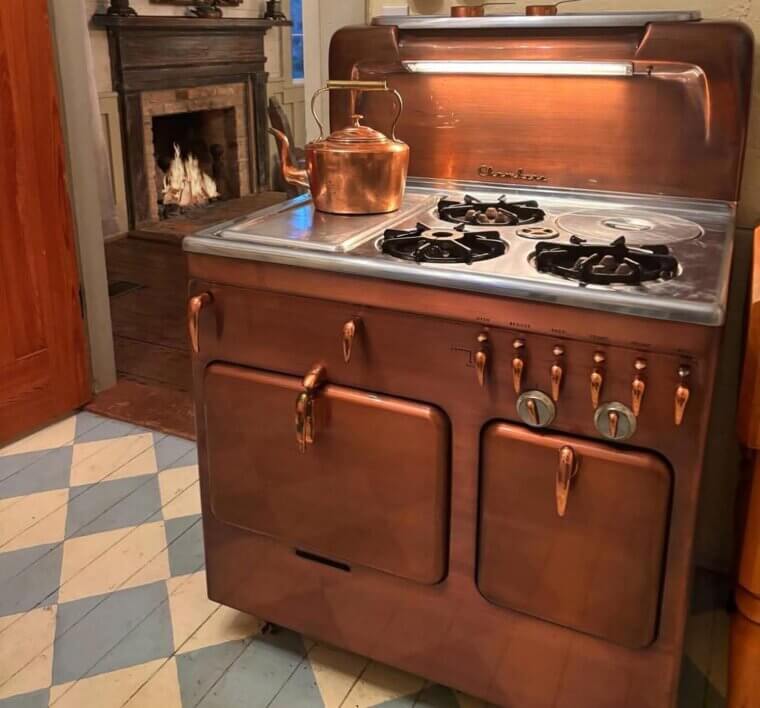
And they are often the most-searched item for those building a sustainable, high-performance vintage kitchen in 2026.