
The Enchanting Aroma of Mimeograph Handouts: The Best Part of Monday Mornings
Long before high-definition screens and digital tablets became the norm in classrooms, there was the intoxicating, sweet, and chemically scent of a freshly printed purple mimeograph sheet. We didn’t just read our assignments back then; we practically inhaled them as the teacher handed out the damp, cool papers to the front of each row. This ritual was a sensory staple of our school days that modern technology simply cannot replicate.
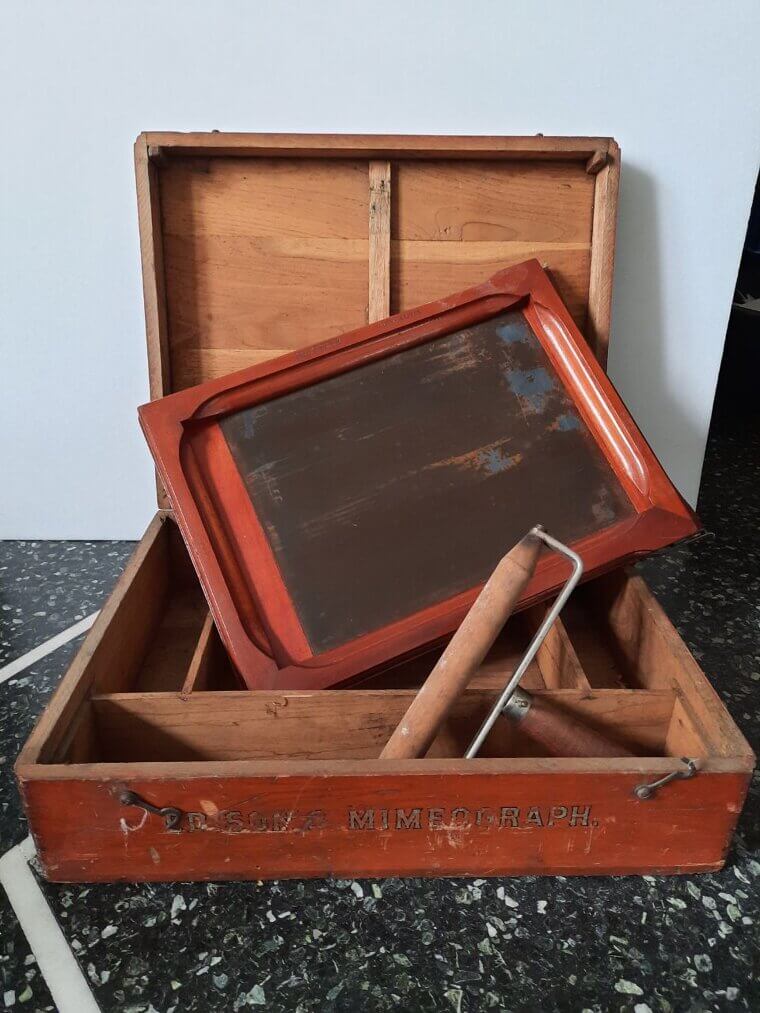
The distinctive smell of the spirit duplicator fluid was a strangely comforting sign that the school week had truly begun. It’s a specific memory that deeply resonates with our entire generation, reminding us of simpler times when technology was mechanical, tactile, and carried a fragrance you could never forget. We would often hold the paper to our faces for a long time, enjoying that cool, damp sensation against our skin before we even picked up a pencil to start our work.
The Art of the Busy Signal: Navigating the Social Queue
Before call waiting, voicemail, or text messaging ever existed, reaching a friend required a great deal of patience and a bit of luck. Hearing that rhythmic, piercing "beep-beep-beep" meant your best friend was already deep in a long conversation with someone else. We didn't get frustrated or send an angry message; we simply hung up the heavy receiver and tried again every ten minutes until the line finally cleared. This taught us the subtle art of timing and the importance of brevity—or sometimes the sheer thrill of finally getting through after an hour of trying.
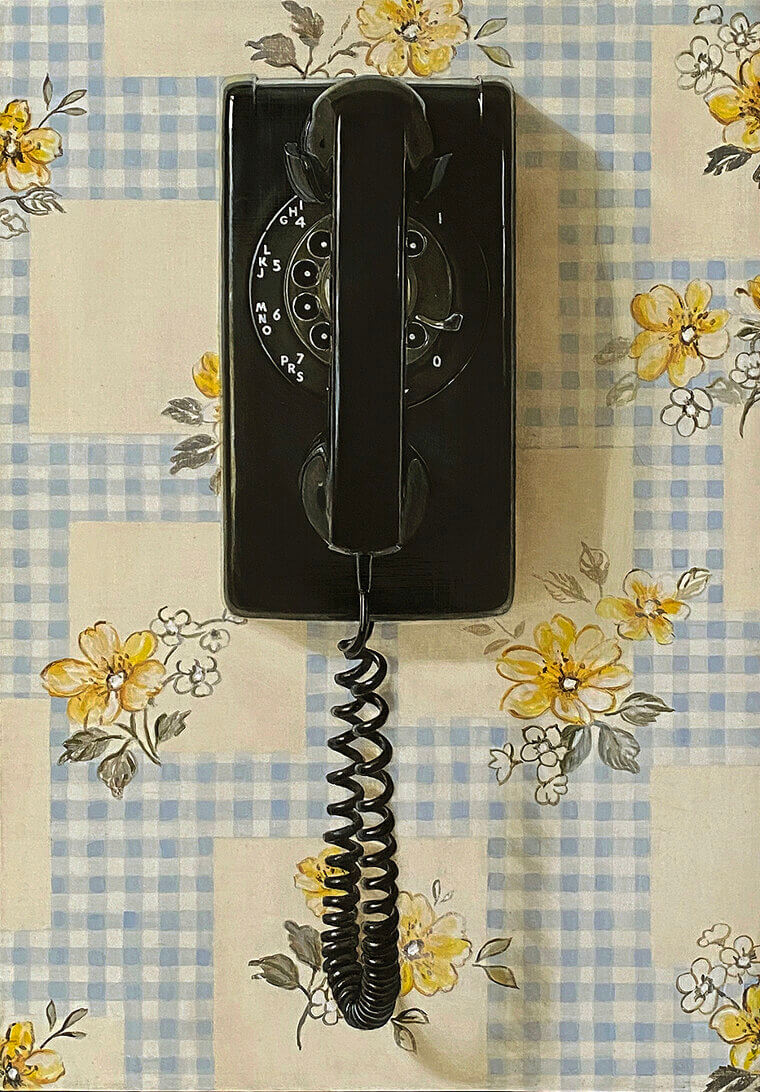
It was a shared social hurdle that made every successful connection feel intentional, rewarding, and special. We truly valued the sound of a human voice on the other end because we knew exactly how much effort it took to finally hear it.
Mastering the Card Catalog: The Ultimate Library Treasure Hunt
Walking into a public library once meant facing those towering, beautiful wooden cabinets known as the card catalog. We learned to navigate the complex Dewey Decimal System by flipping through thousands of thin, typed cards held in place by a long, sturdy metal rod. There was a genuine, physical sense of accomplishment in finding the right drawer, locating the specific call number, and then hunting through the quiet, dusty stacks to find that one specific book you needed. It wasn't just a simple search; it was a physical journey through the vast world of human knowledge.
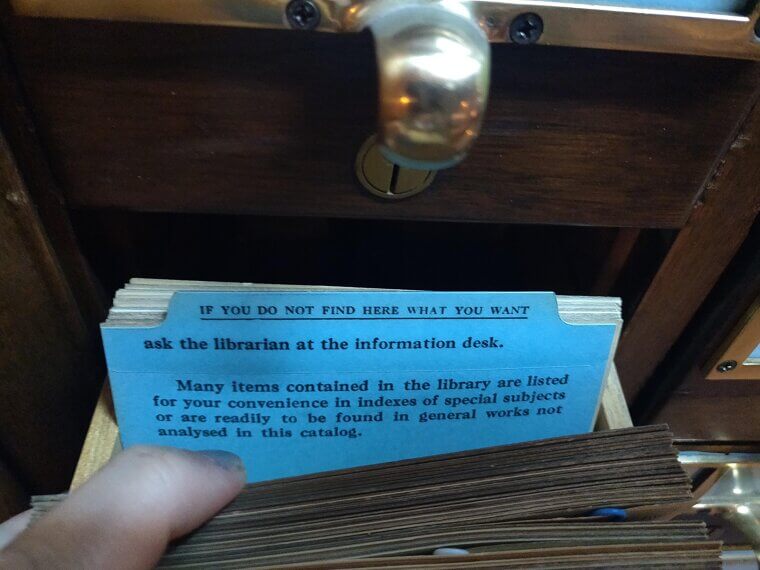
This tactile process made the eventual discovery of a great story or a historical fact feel earned and significant. We developed a deep respect for the organization of information, long before a search engine could do the heavy lifting for us in a fraction of a second.
Spontaneous Front Porch Visits: The Original Social Media
Back in the day, "dropping by" someone's house wasn't considered an intrusion or a social faux pas; it was actually the primary way we stayed connected with our community. If you saw a neighbor sitting on their front porch or noticed their car in the driveway, you simply walked up the path and said a warm hello. We spent countless summer evenings rocking in wooden chairs, sipping cold iced tea, and catching up on the latest local news without a single digital notification.
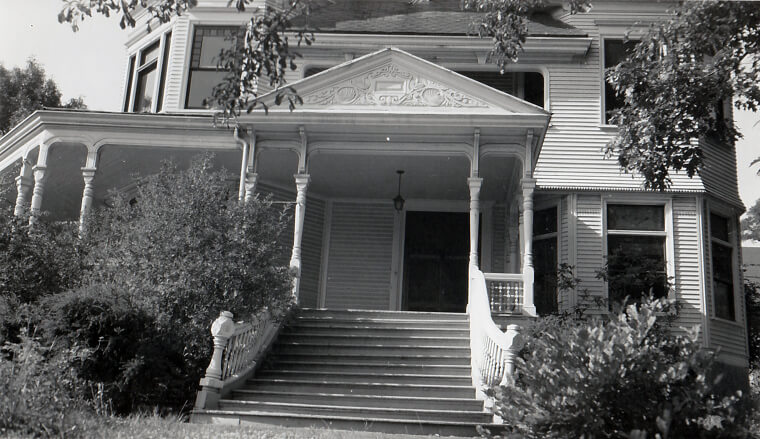
These unplanned, face-to-face interactions built the very foundation of our tight-knit neighborhoods. It was a wonderful time when our social lives were dictated by physical presence and neighborhood proximity rather than a scheduled digital invite on a smartphone. We knew our neighbors' stories because we sat across from them and listened to their voices in the cool evening air.
Passing Elaborately Folded Notes: Our Secret Analog Encrypted Chats
In the middle of a long, boring history lecture, the most important and exciting communication happened on small, torn scraps of notebook paper. We developed incredibly complex folding techniques—turning a simple square of paper into a pull-tab masterpiece or a tiny, perfectly shaped football. These secret notes were passed hand-to-hand under wooden desks with the tactical precision of a high-stakes secret operation. Writing these letters allowed us to share our deepest secrets, neighborhood gossip, and big plans for the weekend in a way that felt entirely private and tangible.
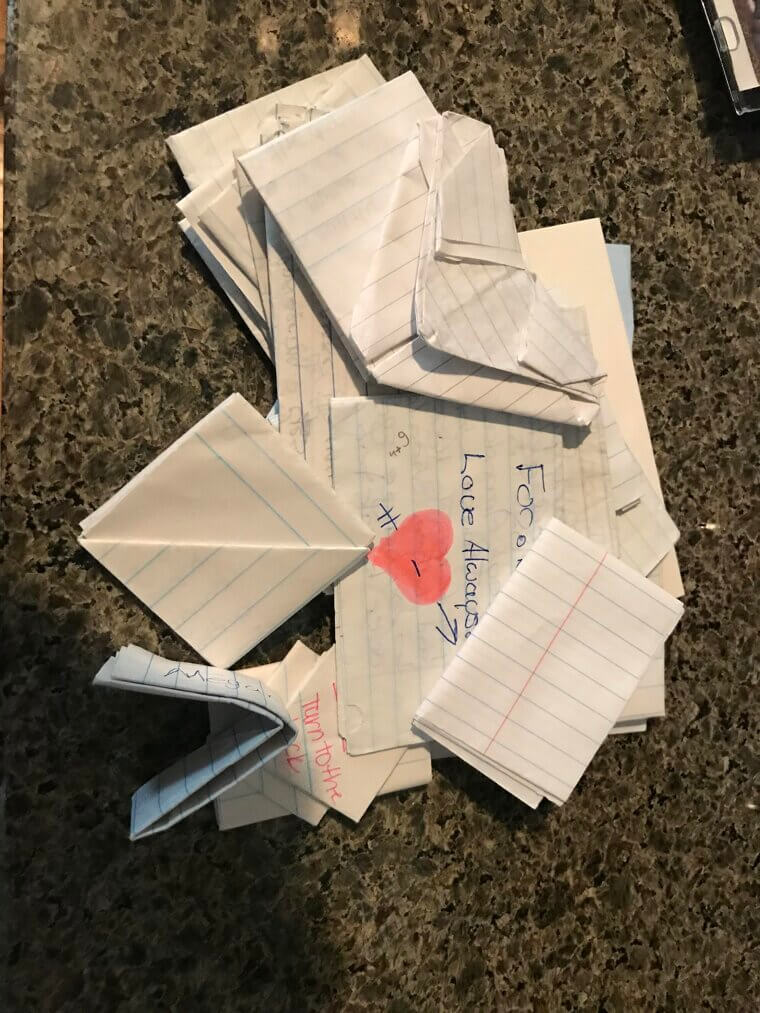
Receiving a perfectly folded note from a friend was the absolute highlight of a school day, proving that creativity always finds a way to flourish even in silence. We saved those scraps of paper in shoeboxes like they were precious artifacts of our youth, because, to us, they truly were.
Transcribing Radio Hits: The Patience of the Homemade Songbook
If we wanted the lyrics to the latest hit song on the charts, we couldn't just look them up on a computer. We had to sit by the radio with a notebook and a ballpoint pen, waiting patiently for the local DJ to play our favorite track. As the music finally started, we scribbled frantically, often hitting the "stop" and "rewind" buttons on a cassette recorder if we were lucky enough to have one. If we missed a crucial line, we had to wait hours for the song to cycle back through the Top 40 rotation.
This immense dedication resulted in cherished, hand-written lyric journals that defined our musical tastes. These notebooks were a labor of love, representing the hours of focused attention we gave to the artists who provided the soundtrack to our teenage years and our first heartbreaks.
The Saturday Morning Mall Crawl: A World of Discovery
The local shopping mall was our undisputed cultural hub, a place where we could spend an entire afternoon without any specific plan or a lot of money. We would browse the latest releases at the record store, try on the newest fashions at the big department stores, and eventually meet up with everyone we knew at the bustling food court. It was a multisensory experience—the sweet smell of cinnamon rolls, the loud sound of arcade games, and the bright sight of window displays.
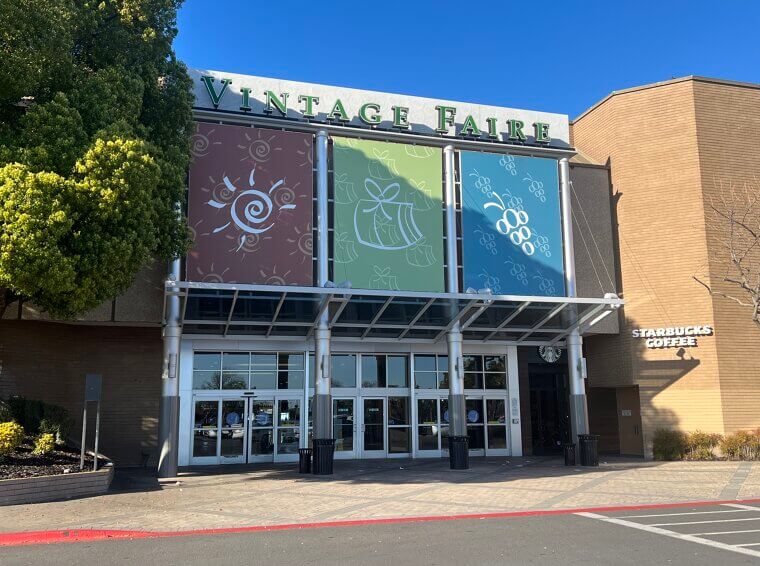
We learned how to manage our small allowances, socialize in person, and navigate the world independently for the first time. It was the ultimate destination for seeing and being seen by our peers, and it provided a sense of community and belonging that a digital storefront could never hope to offer.
Folding Road Maps: The Geometric Puzzle of Every Family Vacation
Long before calm GPS voices told us exactly where to turn, we relied on giant, brightly colored unfolding paper maps from the local gas station. Being the designated navigator in the passenger seat was a high-stakes job that required serious spatial awareness and constant focus. The real challenge, however, always came at the end of the long trip when you had to fold the map back into its original, pristine rectangle. It almost never went back perfectly, resulting in a bulky, crinkled "map-origami" mess that lived in the glove box for years.
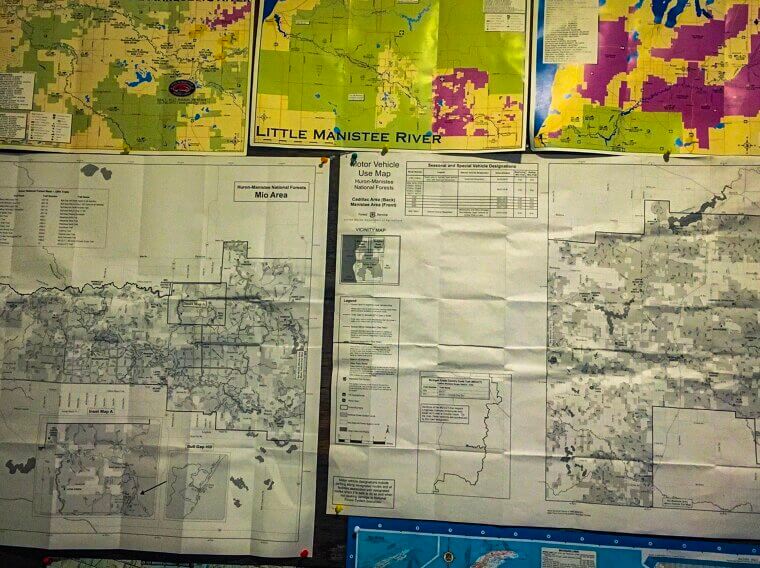
These maps represented the true adventure and the exciting uncertainty of the open road that we loved. They were physical records of the miles we traveled together as a family, complete with coffee stains and hand-drawn circles around the scenic overlooks we visited.
Telephone Cord Twirling: The Physicality of Long Conversations
Talking on the phone was a full-body activity because of those incredibly long, coiled plastic cords that stretched all the way from the kitchen wall into the hallway. We would spend hours paced back and forth, subconsciously twirling the plastic coil around our fingers until it was tight against our skin. To get some much-needed privacy from our parents or siblings, we’d stretch that cord to its absolute physical limit, ducking into a dark closet or around a far corner.
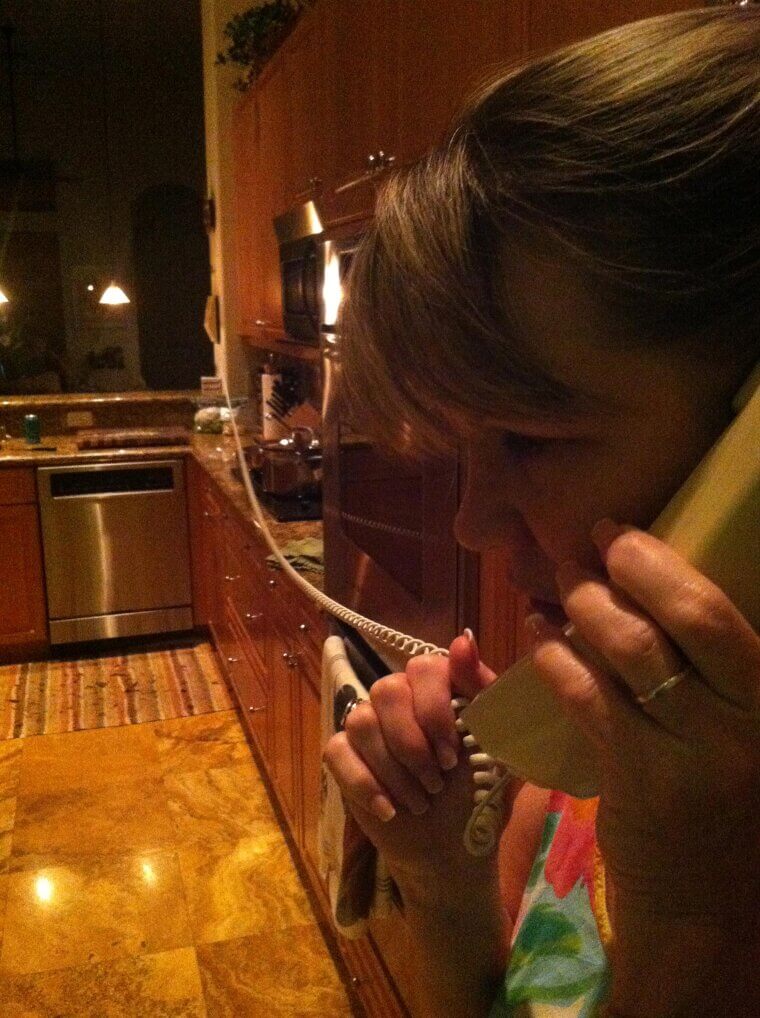
The cord was a literal lifeline to our social world, and the stubborn "kinks" that eventually formed in the plastic were badges of honor from many long, meaningful conversations. It was a physical connection to the person on the other side, and the cord itself became a comforting part of the ritual of sharing our lives.
The Magic of Developing Film: The 24-Hour Wait for Memories
Taking a photograph used to be a true act of faith and careful planning. You only had 24 or 36 exposures on a single roll of film, so every shot had to be considered carefully. After the roll was finished, we dropped it off at a local drugstore or a drive-up kiosk and waited several days for the glossy prints to return. The sheer anticipation of opening that thin yellow envelope was incredible and a little bit nerve-wracking. Sometimes the photos were blurry or someone had "red-eye," but that only added to the wonderful authenticity of the moment.
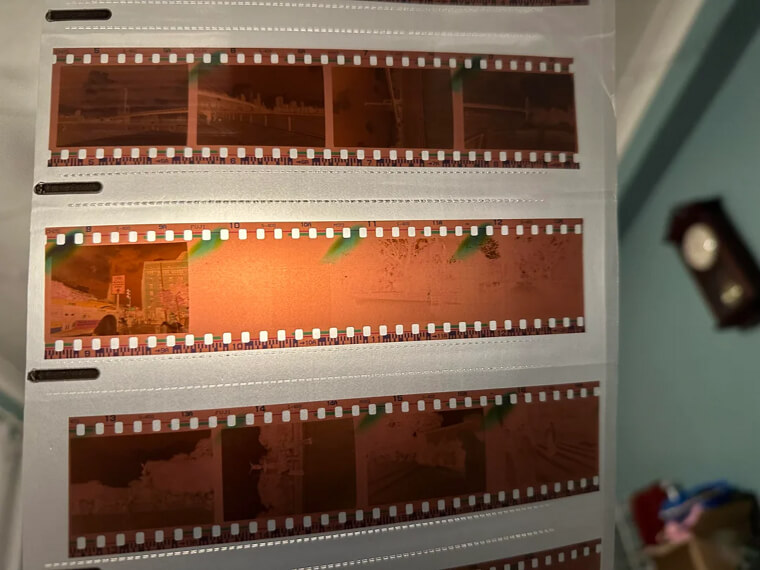
We didn't have digital filters; we had physical memories that we could hold in our hands, trade with friends, and tuck into velvet-covered albums. Those photos were rare treasures, and we cherished every single one because they were the only records we had.
Creating the Perfect Mixtape: A Labor of True Love
Making a custom mixtape for a friend or a crush was a serious time commitment that required a steady hand and a very keen ear. You had to time the recording perfectly, pressing "play" and "record" at the exact moment the DJ stopped talking and the song began. If you accidentally clipped the very beginning of the song, you often had to start the entire hour-long process over from the beginning. Selecting the specific order of the tracks was a way of expressing our unique personalities and our deepest feelings.
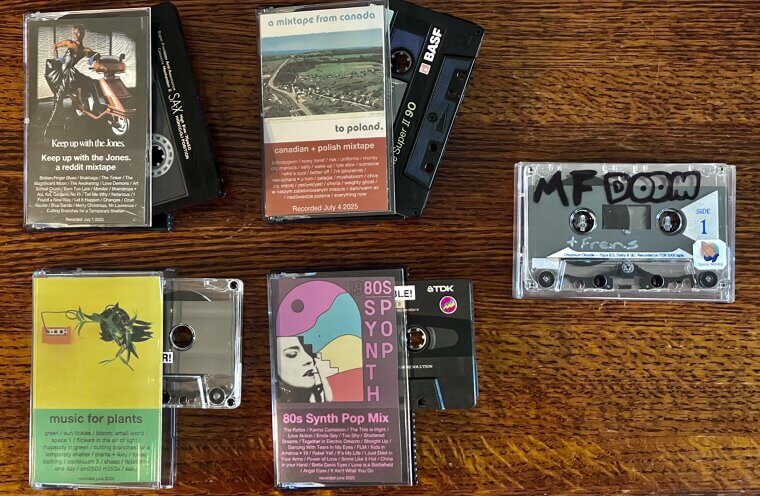
These tapes were cherished gifts, representing hours of focused effort and a deep understanding of someone else’s musical taste and emotional landscape. A mixtape was more than just a collection of songs; it was a handwritten, melodic letter that spoke for us when we couldn't find the right words.
Browsing the Sears "Wish Book": The Catalog of Our Dreams
When the heavy, thick Sears or JCPenney catalog finally arrived in the mail, it was a major household event. We would spend hours leafing through the glossy, colorful pages, circling the items we desperately hoped to receive for birthdays or the upcoming holidays. The "Wish Book" was a window into a world of fashion, toys, and home decor that felt both incredibly aspirational and surprisingly accessible. We’d carefully fold down the corners of the pages—a practice known as dog-earing—to make sure our parents saw exactly what we wanted.
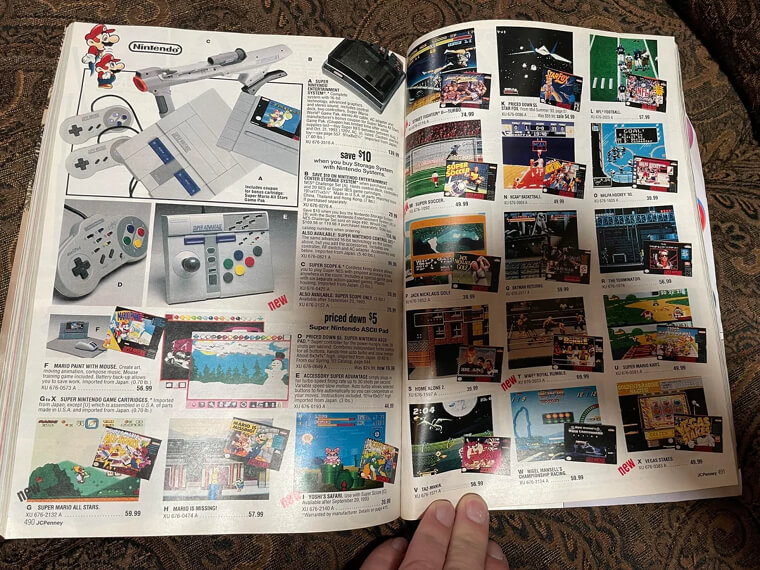
It was a tangible form of browsing that allowed our imaginations to run wild long before the "add to cart" button existed. We would dream of the lives we would lead with those items, turning each page with a sense of wonder.
Looking Up Movies in the Newspaper: The Daily Entertainment Guide
To find out what was playing at the local cinema, we turned to the back pages of the daily newspaper. There, in very small print, were the showtimes for every single theater in town. We had to plan our entire evening based on those static, black-and-white numbers. If you missed the newspaper delivery that day, you had to call the theater and listen to a very long, recorded message detailing every movie and time. This required a level of planning and commitment that made the eventual movie-going experience feel like a special, high-stakes event rather than just a casual, spur-of-the-moment decision.
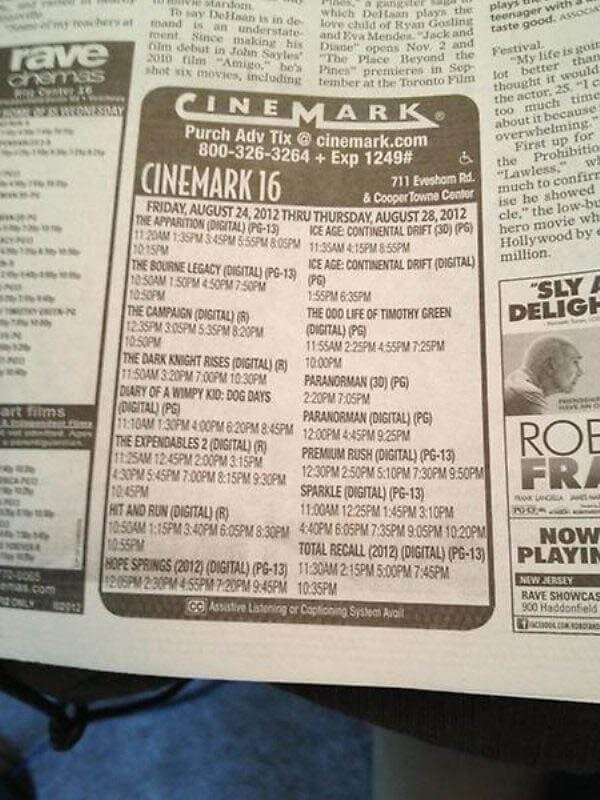
We would circle the showtime in pen, gather our friends, and make sure we arrived early enough to get a good seat, all based on that tiny bit of newsprint.
Riding Bikes Until the Streetlights Came On: Our Unspoken Curfew
Our childhood freedom was measured in city blocks and governed entirely by the position of the sun. We would head out on our trusty Schwinns early in the morning, meeting up with the "neighborhood gang" to explore local woods or empty construction lots. There were no cell phones to check in with our parents; they simply expected us to be back in the driveway when the streetlights finally flickered to life. This unsupervised time fostered a great deal of independence, problem-solving, and a true sense of adventure.

We navigated the world on our own terms, learning the layout of our towns by heart and creating our own complex games in the vast, open spaces of the neighborhood. We were the masters of our own small universe, limited only by the coming darkness.
The Sunday Funnies: A Colorful Ritual of Humor
The Sunday newspaper was a massive, multi-section production, but for us, the crown jewel was always the colorful, oversized comics section. We would spread the large, ink-smudged sheets out on the living room floor, eagerly reading the latest antics in "Blondie," "Peanuts," or "The Family Circus." It was a slow, deliberate ritual that marked the transition from the busy school week to a restful, quiet Sunday. Sometimes we would even use a glob of Silly Putty to lift the fresh ink off the page, stretching the characters' faces into hilarious, distorted shapes.
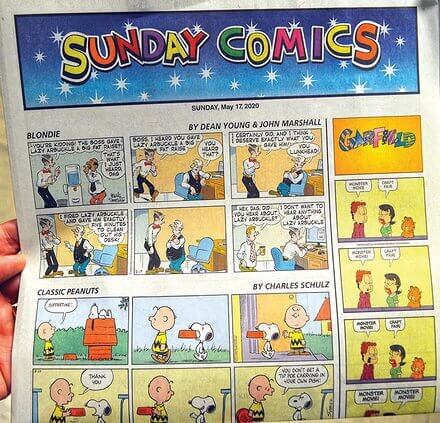
This simple pleasure provided a shared language of humor that spanned across generations and made the weekend feel truly complete. It was a time to laugh together as a family before the work week began again.
Party Lines: The Social Experiment of Shared Phone Service
In many rural or older neighborhoods, having a telephone meant sharing a single line with several other families nearby. You had to listen carefully for your specific ring pattern—perhaps two short rings and one long one—to know the call was actually for you. If you picked up the receiver and heard a neighbor talking, you were supposed to hang up quietly, though the temptation to eavesdrop on local gossip was often too great to resist.
It was a strange, communal way of living that required a high degree of social etiquette and a lot of patience. It reminded us daily that we were part of a wider, interconnected community where our neighbors' lives literally hummed across the same wires as our own. We learned to be respectful of others' time and privacy.
The Encyclopedia Britannica: Having the World in Twenty Volumes
Long before online searches, the "fount of all human knowledge" lived in a set of heavy, gold-embossed books lined up on the living room shelf. If you had a question about the Roman Empire or the biology of a frog, you pulled down the corresponding lettered volume and started reading. We spent hours leafing through the thin, delicate pages, often getting distracted by fascinating entries we weren't even looking for initially.
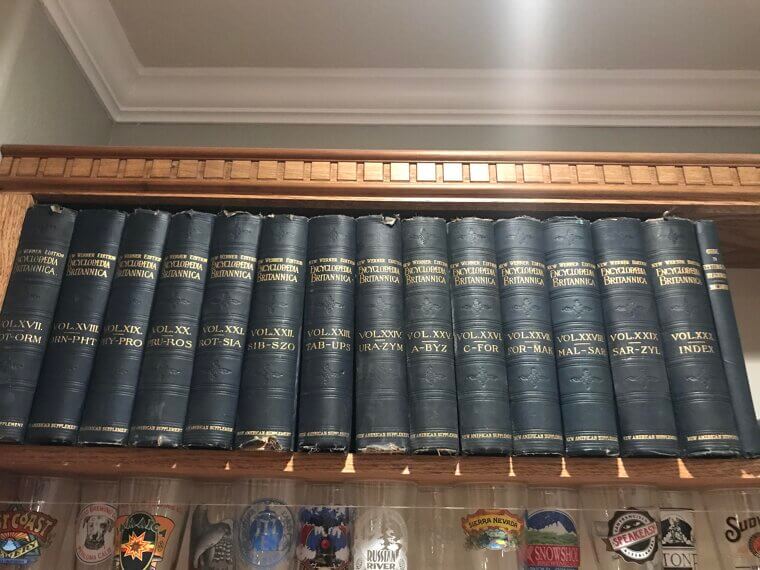
Owning a full set of encyclopedias was a source of great pride for many families, representing a significant investment in education and a tangible gateway to the mysteries of the entire world. It was a physical weight of knowledge that sat in our homes, ready to answer any question if we were willing to look it up.
Pen Pals and Snail Mail: The Joy of the Long-Distance Letter
Having a pen pal meant having a personal window into someone else's life in a far-off city or a different country. We would spend time selecting pretty, floral stationery, practicing our very best cursive handwriting, and carefully licking the stamp to seal the envelope. The wait for a response could take several weeks, but that only made the arrival of an envelope with foreign stamps feel more magical. We exchanged stickers, pressed flowers, and small photographs, building deep, lasting friendships based entirely on the power of the written word.
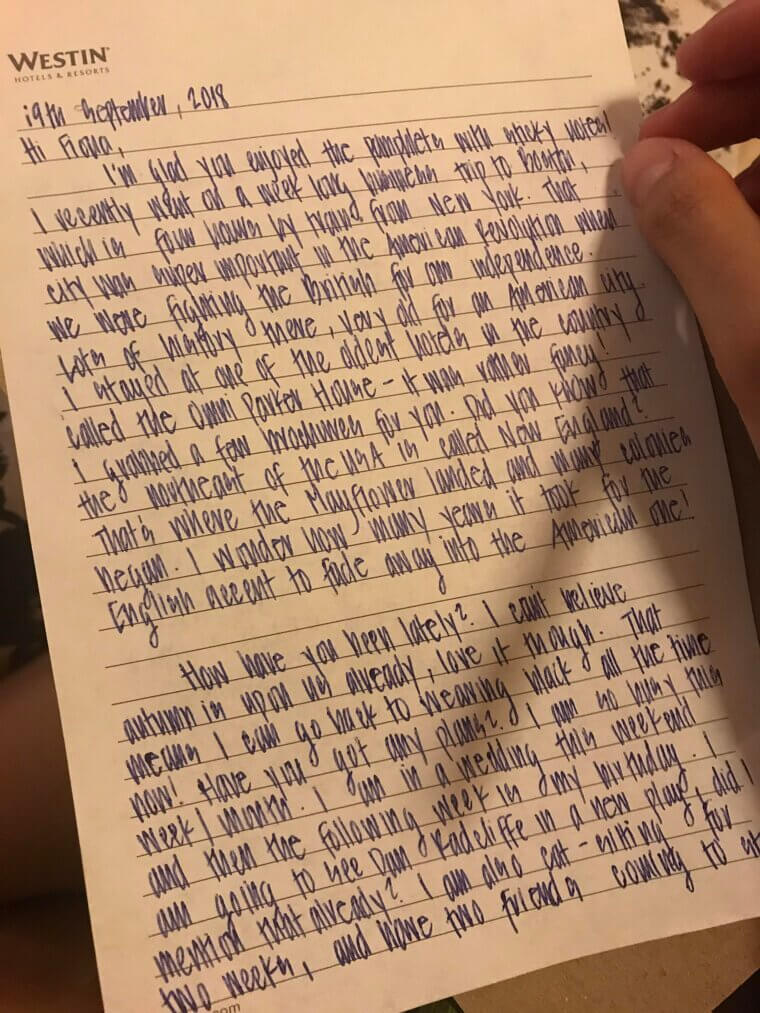
It taught us the beauty of delayed gratification and the unique intimacy of sharing our private thoughts through handwritten correspondence. Every letter was a gift that traveled across the world just to reach our specific mailbox.
Drive-In Movie Nights: The Ultimate Summer Spectacle
There was nothing quite like piling the entire family or a group of your best girlfriends into the car and heading to the drive-in theater. We’d hook the heavy, metallic speaker over the window and settle in with bags of popcorn brought from home to save money. The giant outdoor screen under the dark, starry sky made every movie feel like an epic, larger-than-life event. Between the double features, we’d head to the neon-lit snack bar or let the younger kids play on the swing set located directly under the screen.
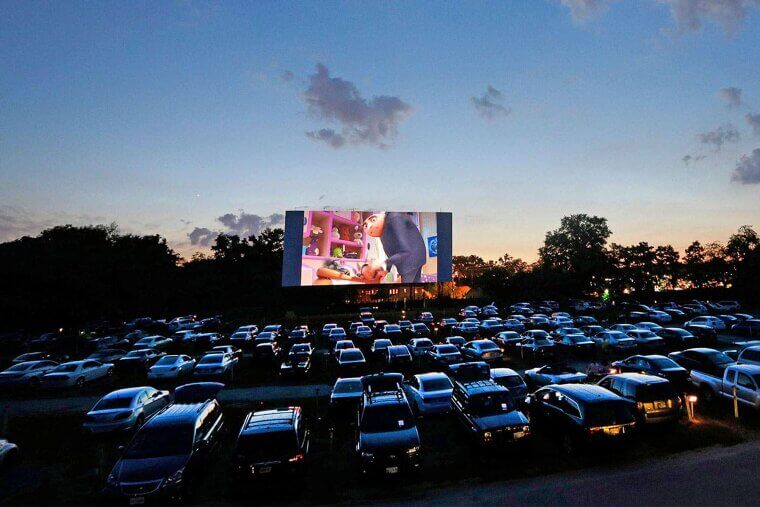
It was a unique blend of private comfort and public celebration that defined the social landscape of our summers for many decades. We loved the feeling of being outside while still being in our own cozy "living room on wheels."
Checking the "TV Guide": Planning Our Prime-Time Lives
Every single week, a small, digest-sized magazine arrived in the mail that essentially dictated our evening entertainment for the next seven days. We would pore over the listings in the TV Guide, carefully marking the shows we absolutely couldn't miss with a pen. Since there were only a few major channels, television was a truly communal experience; everyone at work or school the next day would be talking about the exact same cliffhanger. We learned the schedule by heart and respected the "must-see" blocks of programming that brought the whole country together.
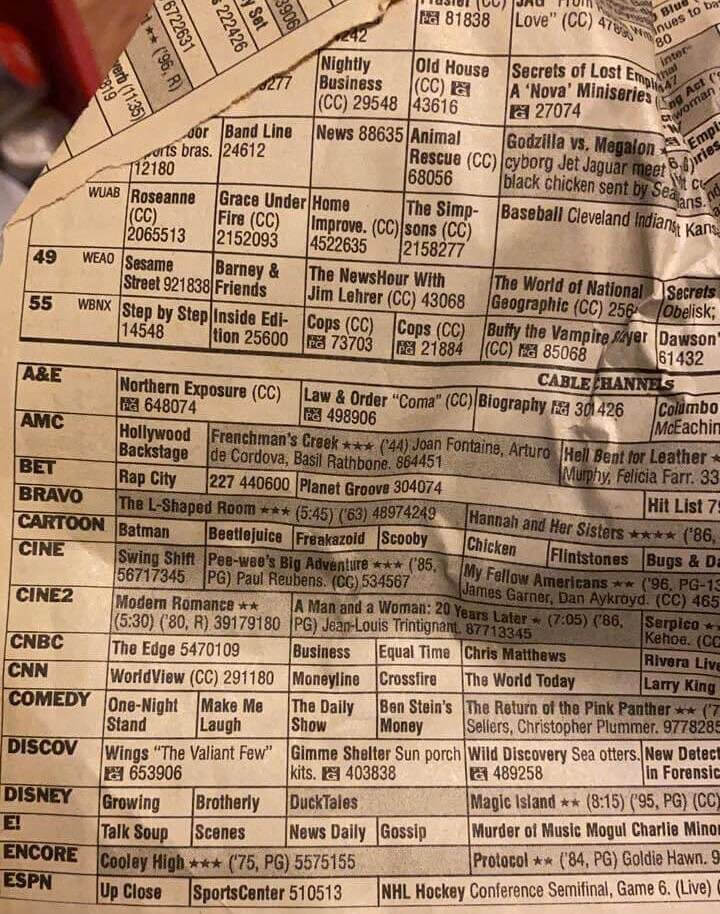
This shared cultural clock gave our weeks a comfortable rhythm and provided a constant, reliable stream of conversation topics with our friends, neighbors, and even strangers at the grocery store.
Hand-Cranking Windows: The Physical Workout of a Car Ride
Before power windows were a standard feature in every vehicle, adjusting the airflow in a car required a vigorous and repetitive manual effort. We had to lean over across the seat and turn the plastic-handled crank repeatedly to lower the heavy glass. It was a small, physical task that every passenger, young or old, eventually mastered. In the heat of the summer, we’d roll them all down to catch the breeze, and in the event of a sudden rainstorm, there was a frantic, laughing race to crank them back up before the interior got completely soaked.
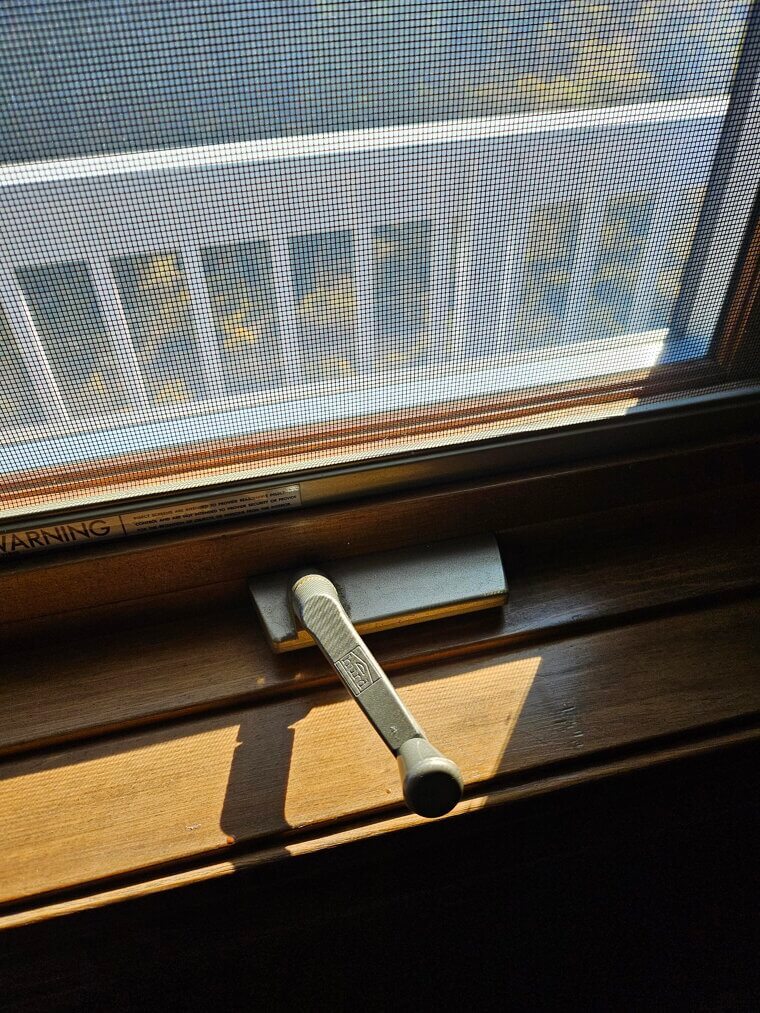
It’s a nostalgic mechanical memory that reminds us of a time when almost everything in life required a little bit of manual "elbow grease" and physical coordination to work properly.
Library Book Pockets: The Paper Trail of Shared Stories
Every book we checked out of the local library had a small manila pocket glued firmly to the inside cover containing a stamped due-date card. Looking at that card was like seeing a secret history of everyone in town who had read that specific book before you. You might see a close friend's name or a neighbor’s familiar handwriting, creating a silent, beautiful bond over a shared story. The rhythmic "thump-thump" of the librarian’s heavy rubber date stamp was a comforting part of the library experience.
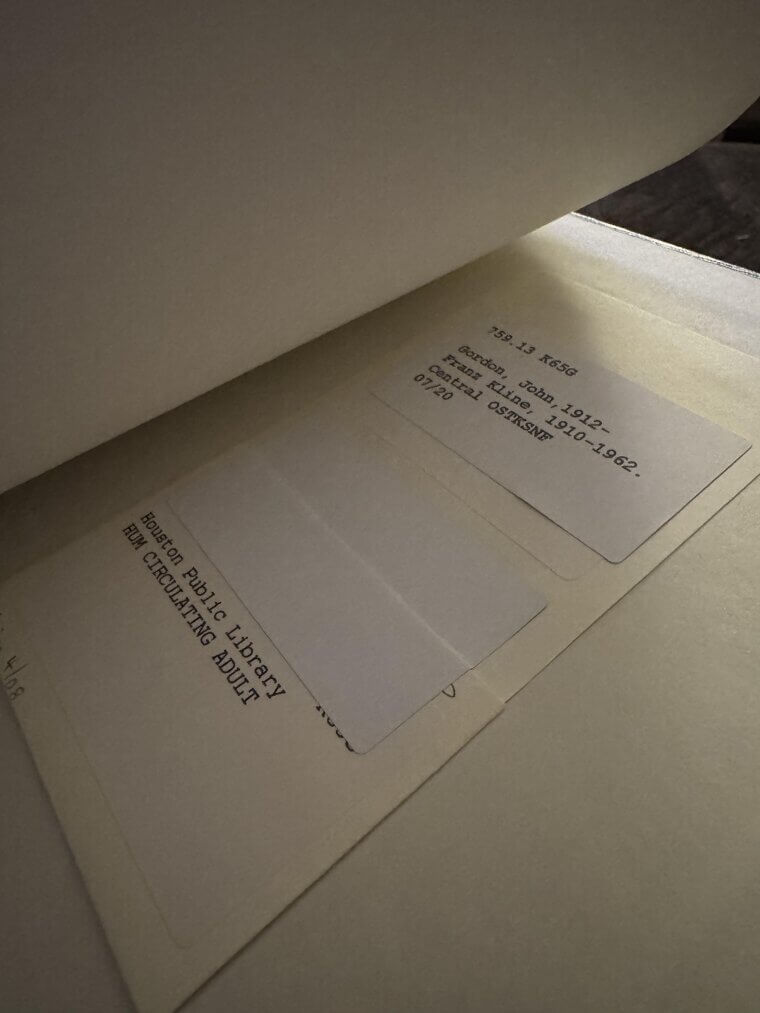
These cards were a physical record of our community’s literary journey, connecting us through the books we all loved and shared. It felt like the book was a living thing that had passed through many hands before reaching yours.
Playing Jacks on the Linoleum: A Test of Manual Dexterity
A small set of star-shaped metal jacks and a bouncy red rubber ball could provide endless hours of entertainment on a flat kitchen floor. We would spend entire rainy afternoons perfecting our "onesies," "twosies," and "sweeps," competing to see who could reach the highest level without dropping a jack or letting the ball bounce more than once. It required intense focus, a steady rhythm, and a very steady hand. This simple game was a staple of indoor play, often accompanied by the quiet hum of the house and the sharp clinking sound of metal on the hard floor.
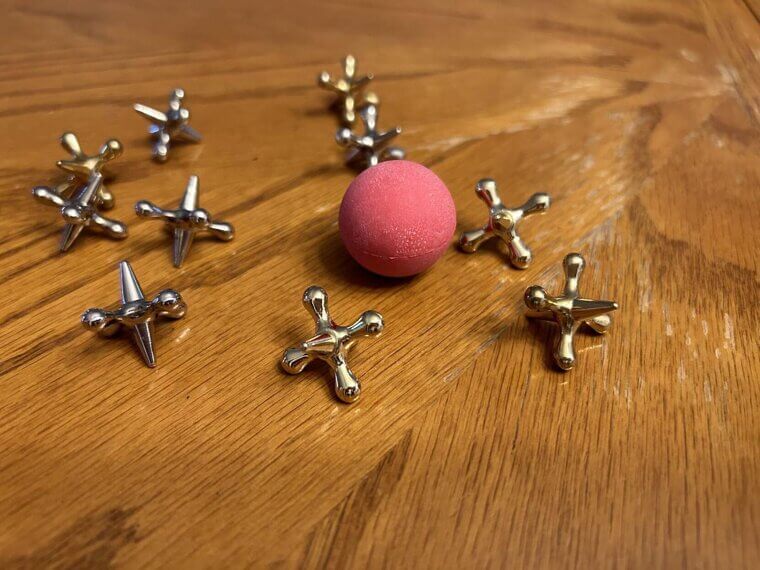
It was a humble but deeply satisfying challenge that rewarded practice and concentration. We took great pride in our skills, often showing off new tricks to our friends.
Learning to Read a Compass: Navigating the Great Outdoors
Before digital maps and satellites, a small handheld compass was an absolutely essential tool for any aspiring adventurer or scout. We learned how the "needle always points North" and how to carefully orient a paper map to the actual terrain around us. Whether we were in the Girl Scouts or just exploring the thick woods behind our houses, understanding the cardinal directions gave us a sense of confidence and self-reliance.
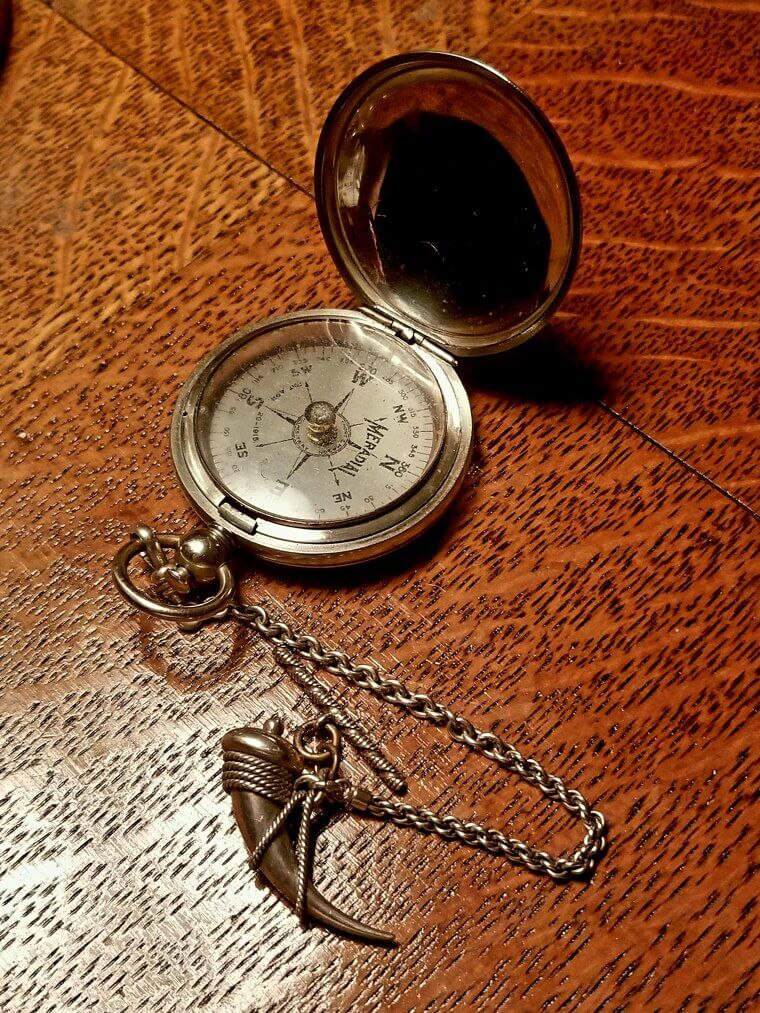
It felt like we possessed a secret, ancient skill that allowed us to find our way through the world without needing a battery or a signal. This connected us directly to the physical earth and taught us to pay attention to the landmarks around us, ensuring we never truly felt lost.
Collecting and Trading Green Stamps: The Grocery Store Reward
Going grocery shopping meant collecting S&H Green Stamps at the checkout counter based on how much our parents spent. We would take the sticky sheets home and carefully lick them—which had a very distinct taste—to stick them into special collector books. Once we had enough books filled, we’d make a special family trip to the "Redemption Center" to trade them in for exciting household items like toasters, lamps, or new towels.
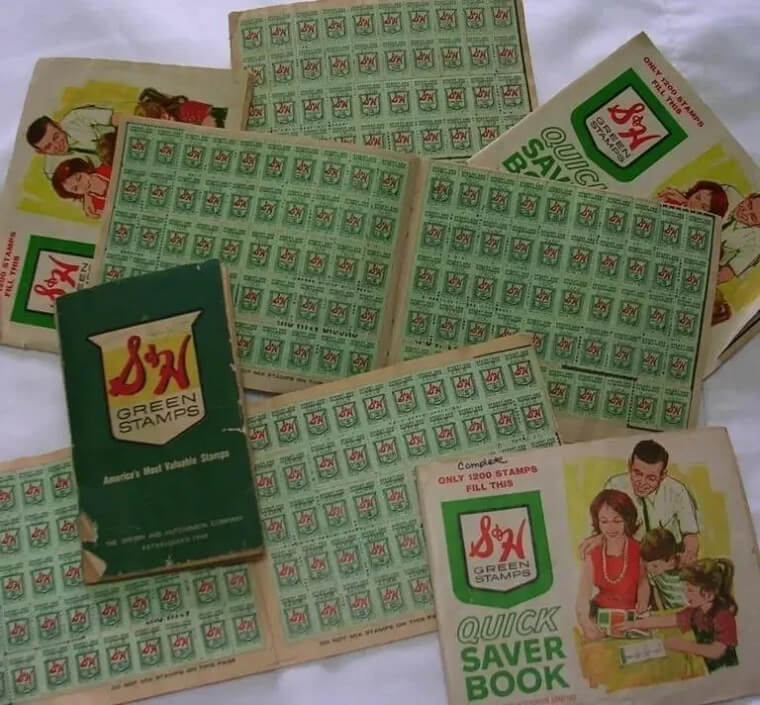
It was a long-term family project that required a lot of patience and collective planning. The physical act of filling those books gave us a sense of steady progress and made getting a new kitchen gadget feel like a hard-won victory for the entire household.
Using a Public Payphone: The Search for a Spare Dime
When we were out and about and suddenly needed to call home for a ride, we had to find a silver or blue metal pedestal on a street corner. We always made sure to carry a spare dime (and later a quarter) in our pockets specifically for these emergencies. The heavy, metallic clink of the coin dropping into the machine is a sound you never forget once you've heard it. There was a certain vulnerability and focus to standing in a glass booth in the rain, trying to have a private conversation while the busy world buzzed by.
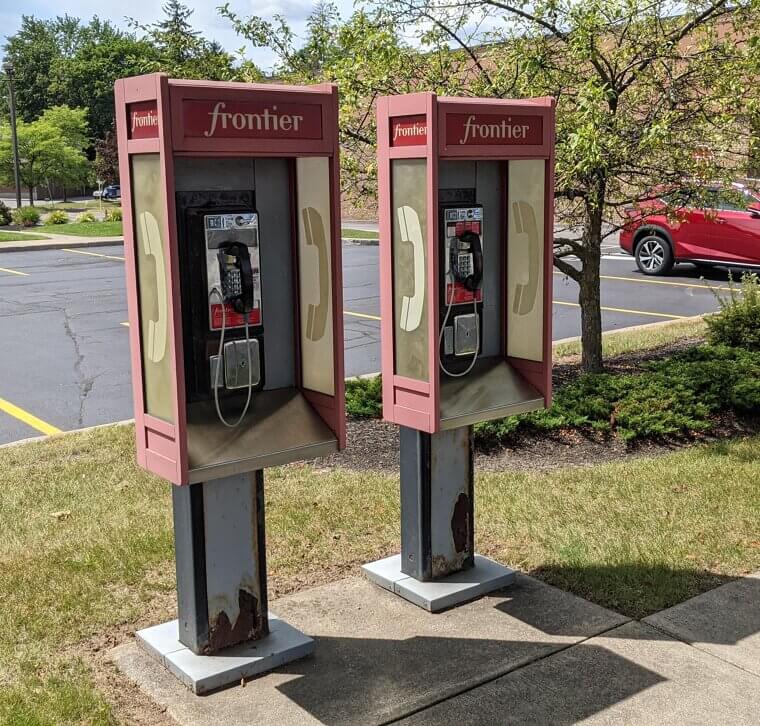
It made every "check-in" call feel purposeful, brief, and very important because you were literally spending your limited change to make it happen.
The Milkman’s Morning Clink: A Vanishing Neighborhood Sound
Waking up to the gentle sound of glass bottles clinking in a metal crate was the original neighborhood morning alarm. We’d find the fresh, cold milk, often topped with a thick layer of cream, waiting for us in the insulated metal box on the front porch. We’d leave our empty, rinsed bottles and a handwritten note for "the milkman" to adjust our order for the very next day. This personal, direct-to-door service was a hallmark of neighborhood life, representing a level of trust and consistency that felt very personal and safe.

It was a small, daily reminder that we were being looked after by our community and that the world was functioning exactly as it should.
Slide Projector Shows: The Original Family Vacation Slideshow
After a big family trip, we didn't just show a few photos on a phone; we invited the neighbors over, dimmed the living room lights, and set up the heavy projector. The "click-whir" of the plastic carousel turning was the rhythmic soundtrack to our shared memories. We’d watch giant, glowing images of the Grand Canyon or Mount Rushmore projected onto a beaded screen or a clean white bedsheet pinned to the wall.
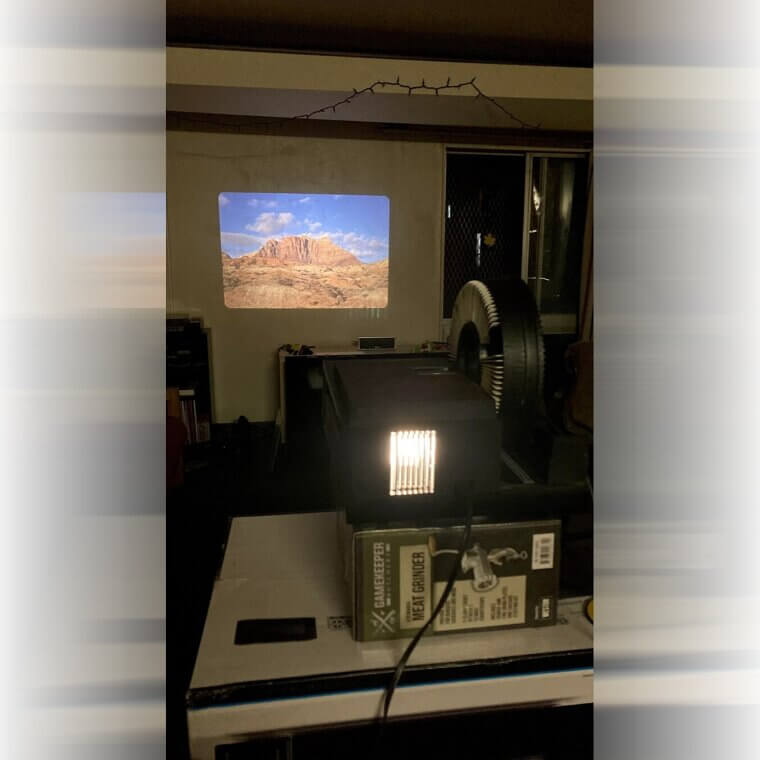
Sometimes a slide would get stuck and start to visibly melt from the intense heat of the bulb, causing a brief moment of panic. These "slide shows" were a social event, a slow-paced and deliberate way to share our travels and stories with our closest friends.
Memorizing Phone Numbers: The Mental Rolodex We All Carried
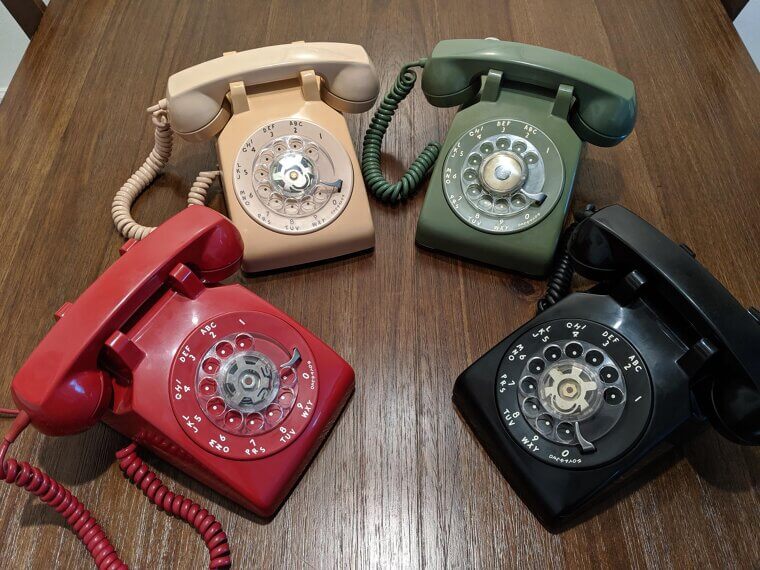
Because we didn't have digital contact lists in our pockets, we had to store dozens of phone numbers directly in our brains. We knew our best friend's, our grandma's, and our favorite local pizza place's numbers by heart without even thinking about it. This mental exercise kept us sharp and made us feel deeply connected to our social circle in a way that modern technology has replaced. If you forgot a number, you had to consult the "White Pages"—a massive, heavy book that listed every single person in the city.
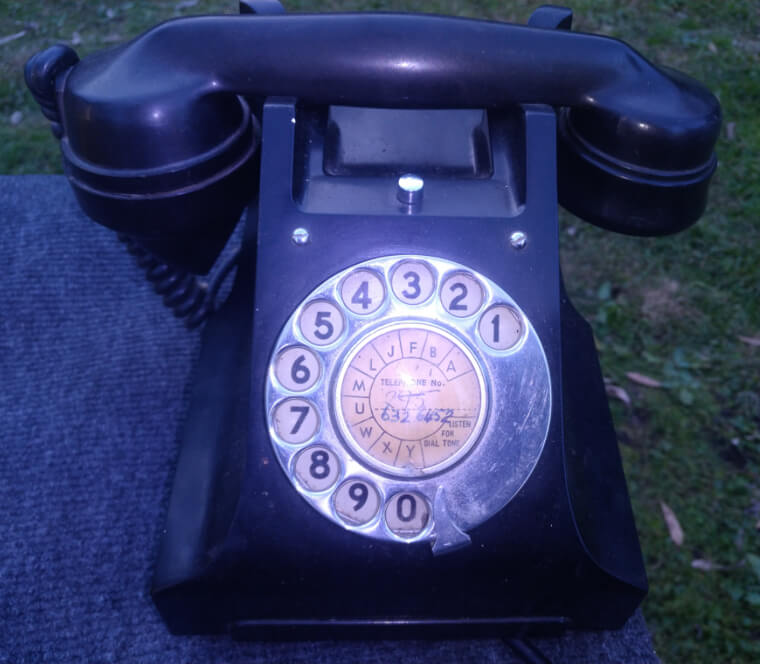
There was something incredibly satisfying about the muscle memory of dialing a familiar seven-digit sequence on a rotary or a touch-tone phone, connecting us instantly to the people we loved.
Checking the Weather by Looking at the Sky: The Original Forecast
While we certainly had the local news weather report on the television, we mostly relied on our own observations and local folk lore to predict the day. We knew that "red sky at night, sailor's delight" meant a clear day ahead, and we watched the behavior of birds or the silver underside of leaves to predict an incoming afternoon storm. We lived in tune with the shifting seasons and the atmosphere, adjusting our daily plans based on the humidity or the wind direction.

This deep connection to the natural world made us more resilient and observant, teaching us to respect the power and predictability of the elements without needing a digital app to tell us it was raining.
The High-Stakes Game of "Capture the Flag": Neighborhood Edition
On long, humid summer evenings, the neighborhood children would divide into two teams for an epic, sprawling game of Capture the Flag. The boundaries were defined by fences, specific trees, and sidewalks, and a single game could easily last for hours. It required clever strategy, stealthy movement, and a lot of fast running. We’d hide in thick bushes and sprint across "enemy territory," our hearts pounding with pure excitement and the fear of being tagged.
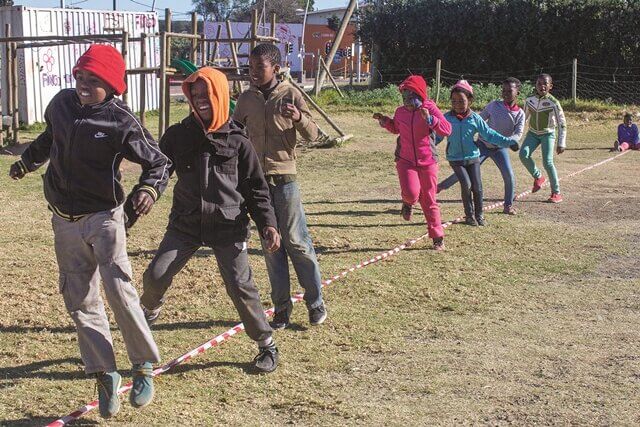
There were no adult referees, so we had to learn how to negotiate complex rules and settle disputes ourselves. It was a masterclass in teamwork and physical endurance that turned our quiet suburban streets into a grand, imaginative battlefield for the night.
Typewriter Correction Tape: The High-Wire Act of Office Work
Using a manual typewriter meant you had to be incredibly precise, as there was no "delete" or "undo" key to fix your mistakes. When a typo inevitably happened, we had to use "Wite-Out" liquid or a special chalky correction tape that you’d backspace over. If you made too many errors on one page, the paper looked messy and unprofessional, and you’d often have to rip the sheet out and start the entire letter over from scratch.
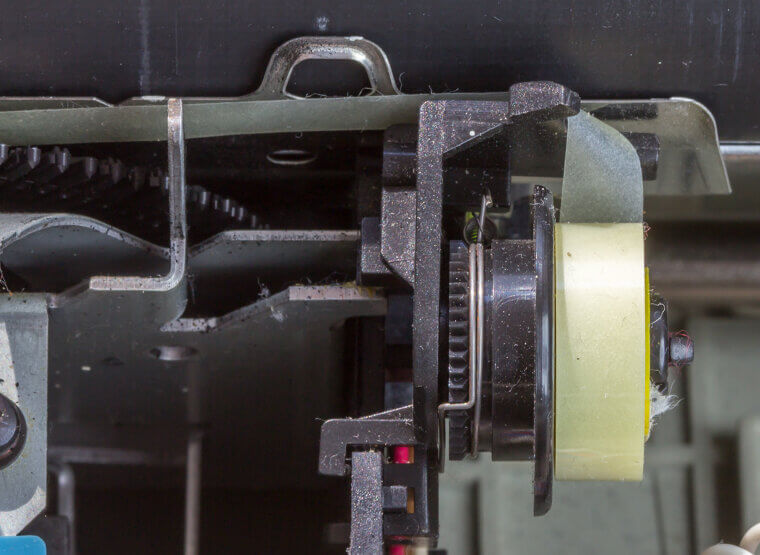
This forced us to think carefully before we "typed," encouraging a more deliberate and thoughtful way of communicating. The rhythmic "clack-clack-clack" and the cheerful "ding" of the carriage return are the nostalgic sounds of a much more focused and patient era of work.
Cataloging the "Blue Book" Values: The Dream of the First Car
For many of us, the Kelly Blue Book wasn't a website, but a small, printed manual that lived at the library or a local car dealership. We would spend hours studying the values of different makes and models, dreaming of the day we could finally buy our very first "clunker." We learned about engines, mileage, and the vital importance of a "clean title." This research was a true rite of passage, representing our first real steps toward adult independence.
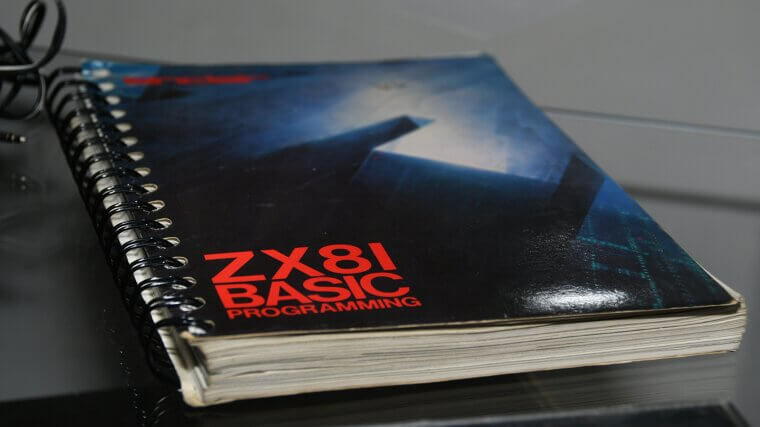
Knowing the market value of a 1965 Mustang or a classic VW Bug was a major badge of honor among our teenage peers. We would compare notes and debate the merits of different cars, building our knowledge one page at a time.
The Simplicity of "The Sears Portrait": Capturing the Generations
Every few years, we’d get all dressed up in our very best "Sunday clothes" and head to the Sears or Olan Mills portrait studio for a family photo. We’d sit on a velvet-covered stool against a mottled blue or brown background while the photographer told us to "say cheese" and look at the camera. The resulting physical portraits, often tinted with a slightly unnatural but charming hue, became the centerpieces of our hallways and fireplace mantels.
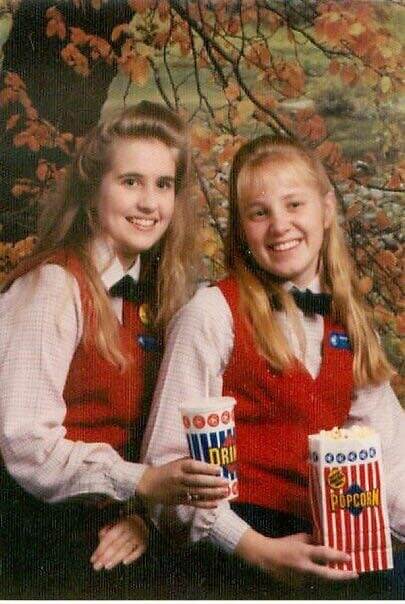
These sessions were a formal and important way of marking time, showing exactly how much we had grown each year. They weren't "selfies"; they were carefully curated family milestones that we still cherish today in their heavy, ornate wooden frames.
The Peaceful Silence of a Power Outage: The Candlelit Night
When the power went out during a summer thunderstorm, the world didn't end; it just became significantly quieter and more intimate. We’d light several candles or kerosene lamps and gather around the kitchen table to play board games or tell old family stories. Without the hum of the refrigerator or the glow of the television, we actually looked at and talked to one another. These nights felt like a forced, cozy vacation from the modern world—a peaceful time where we felt safe and deeply connected despite the thunder and rain outside.
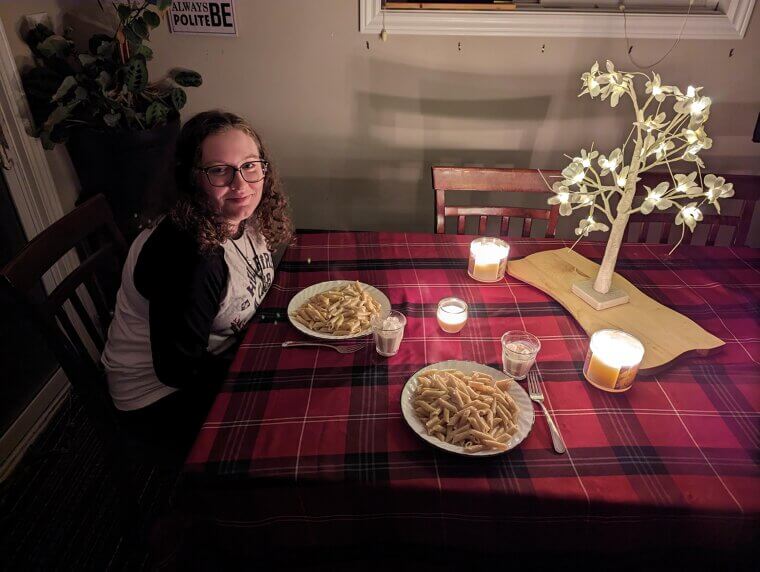
It was a beautiful reminder that we didn't need electricity or technology to have a meaningful, memorable, and laughter-filled evening with the people we loved most.